

Best Mini Splits for Cold Climates: 2026 Hyper Heat Buyer's Guide
Published by HVACProSales Team on Mar 26th 2026
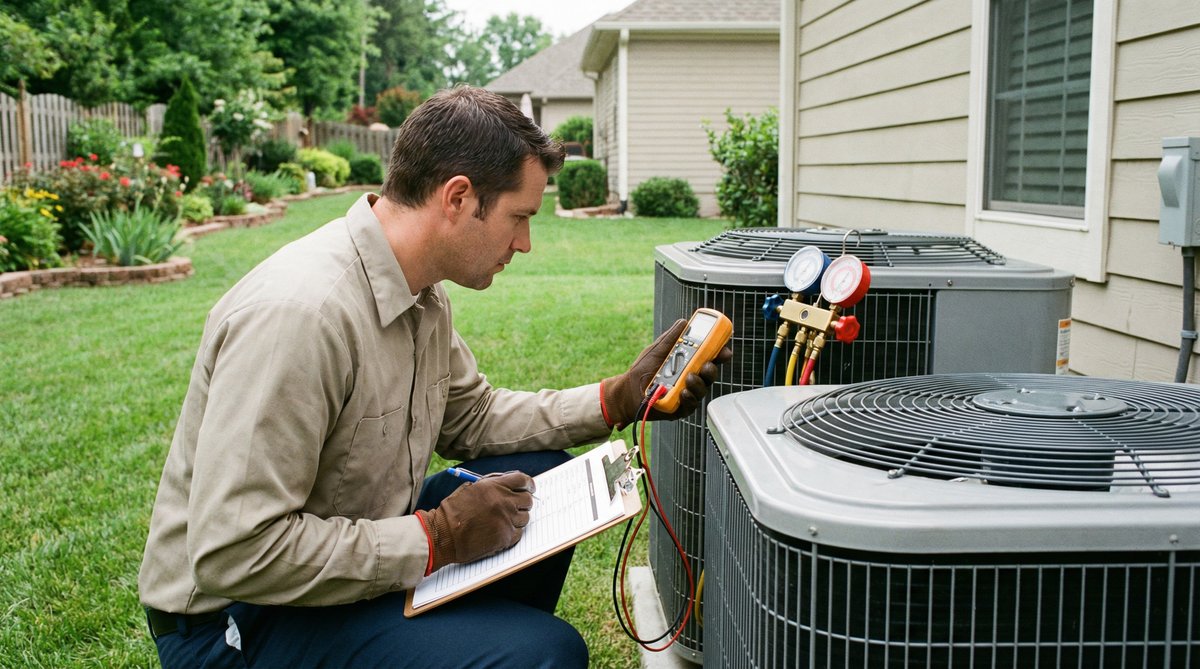
Best Mini Splits for Cold Climates: Hyper Heat Guide 2026
As the HVAC industry transitions into 2026, homeowners in colder regions are increasingly looking for reliable, efficient alternatives to traditional fossil fuel heating. The evolution of ductless technology has made "Hyper Heat" systems a primary heating solution even in the most unforgiving winters. This guide provides a professional deep dive into the top-performing cold-climate mini splits, explaining the technology behind the performance and how to choose the right system for your home.
Understanding Cold Climate Mini Split Technology
Standard mini splits are excellent for cooling and moderate heating, but their efficiency and capacity often plummet as temperatures drop below freezing. Cold-climate mini splits, often designated by terms like Hyper Heat, LG Red, or Aurora, are engineered with advanced inverter-driven compressors and flash injection technology to maintain performance in extreme conditions [1].
The Role of Inverter Compressors
Unlike traditional on-off systems, inverter compressors can vary their speed to match the heating demand precisely. In cold weather, these compressors ramp up to extract every bit of available heat from the outdoor air. High-end units can maintain 100% of their heating capacity at 5°F and continue to operate down to -13°F or even -22°F [2] [3].
Flash Injection and Enhanced Vapor Injection (EVI)
The secret to maintaining high heat output at sub-zero temperatures lies in Flash Injection or Enhanced Vapor Injection (EVI). This technology bypasses a portion of the refrigerant directly into the compressor, cooling it down and allowing it to work harder without overheating. This process maintains the mass flow of refrigerant, which is critical for heat transfer when the outdoor air is extremely cold [1].
"A unit that 'passes' at 5 degrees F can still leave you waiting for defrost to finish when you need heat most. Look for systems that maintain capacity well below zero." [1]

Top Cold Climate Mini Splits for 2026
When selecting a system for 2026, it is essential to consider the latest efficiency standards (HSPF2) and the transition to low-GWP refrigerants like R-454B. The following table compares the leading models based on field performance and technical specifications.
| Brand & Series | Low Temp Limit | 100% Capacity At | Efficiency (HSPF2) | Key Technology |
|---|---|---|---|---|
| Mitsubishi H2i Plus | -13°F | -5°F | 10.5 - 11.0 | Flash Injection |
| Carrier Infinity 37MUHA | -22°F | 0°F | 10.8 | Inverter-Driven |
| Daikin Aurora | -22°F | 5°F | 9.0 - 10.0 | Inverter / Base Pan Heater |
| LG Red Heat | -13°F | 5°F | 10.0+ | Dual Inverter |
| Bosch IDS Ultra | -13°F | 5°F | 9.5+ | EVI Compressor |
Mitsubishi Hyper-Heating (H2i)
The Mitsubishi H2i series remains the industry benchmark for cold-climate performance. Their patented flash injection technology allows the system to deliver full heating capacity even when the outdoor temperature hits -5°F. For homeowners in the Northeast or Midwest, this reliability is crucial for primary heating applications [1].
Carrier Infinity 37MUHA
Carrier has made significant strides with the 37MUHA series, which is rated to operate down to -22°F. This makes it one of the most robust options for extreme northern climates. It also boasts high efficiency ratings, ensuring that your utility bills remain manageable even during the coldest months [3].
Daikin Aurora
The Daikin Aurora series is an excellent value-driven choice that provides reliable heating down to -22°F. While some field reports suggest it may struggle more with defrost cycles than Mitsubishi, its lower price point and solid performance make it a favorite for supplemental heating or milder cold climates [1] [4].
Real-World Use Case: The New England Addition
Consider a 500-square-foot master suite addition in Maine. Traditional ductwork expansion would be costly and inefficient. A Mitsubishi H2i Plus single-zone system (9,000 BTU) provides a perfect solution. Even when temperatures drop to -10°F, the system maintains a comfortable 72°F indoors without the need for supplemental electric baseboard heat. The quiet operation of the indoor air handler ensures a peaceful sleeping environment, while the outdoor unit’s base pan heater prevents ice buildup that could lead to system failure.
Installation and Maintenance Checklist
To ensure your cold-climate mini split performs as expected, professional installation and regular maintenance are non-negotiable.
Installation Best Practices
- Manual J Calculation: Always have a contractor perform a proper load calculation to ensure the system is sized correctly for your specific climate and insulation levels.
- Wall Brackets or Stands: Mount the outdoor unit on a wall bracket or a raised stand at least 12-18 inches above the average snow line to prevent burial and airflow restriction.
- Base Pan Heaters: Ensure your unit has an integrated base pan heater to melt ice during defrost cycles, preventing "ice bridging" that can damage the fan blades.
Homeowner Maintenance
- Filter Cleaning: Clean the indoor unit filters every 4-6 weeks during peak heating season to maintain airflow.
- Snow Clearance: Keep the area around the outdoor unit clear of snow and ice.
- Professional Tune-up: Schedule an annual inspection to check refrigerant levels, electrical connections, and condensate drainage.

Frequently Asked Questions (FAQ)
Q: Do mini splits really work in -20°F weather?
A: Yes, modern cold-climate models like the Carrier Infinity 37MUHA and Daikin Aurora are specifically rated to operate at temperatures as low as -22°F. However, their efficiency (COP) will be lower at these extremes compared to milder temperatures.
Q: Is Hyper Heat worth the extra cost?
A: If you live in an area where temperatures regularly stay below freezing, Hyper Heat or equivalent technology is essential if the mini split is your primary heat source. The upfront cost is offset by the reliability and the avoidance of expensive backup heating.
Q: How do I prevent my mini split from freezing up?
A: Ensure the outdoor unit is elevated above the snow line and has a functional base pan heater. Regular maintenance to ensure proper airflow and refrigerant levels also prevents excessive frosting.
Q: Can I install a cold climate mini split myself?
A: While DIY kits exist, they often lack the advanced cold-weather features of professional-grade systems. Furthermore, professional installation is usually required to maintain the 10-12 year manufacturer warranties.
Conclusion and Call to Action
Choosing the best mini split for a cold climate in 2026 requires a balance of technology, efficiency, and professional expertise. Systems like the Mitsubishi H2i and Carrier Infinity provide the peace of mind needed to weather the toughest winters comfortably.
Ready to upgrade your home's comfort? Contact our expert team for a personalized consultation or browse our selection of top-rated cold-climate systems today.
Contact HVAC Pro Sales:
* Email: support@hvacprosales.com
* Phone: 1-866-330-1709
* Shop Online: Browse Our Collection