
-
 $2,751.35
 -
 $39.84
 -
 $30.08
 -
 $30.82
 -
 $17.95
 -
 $20.33
 -
 $557.71
 -
 $72.09
 -
 $503.64
 -
 $302.48
 -
 $432.19
 -
 $468.28
 -
 $203.33
 -

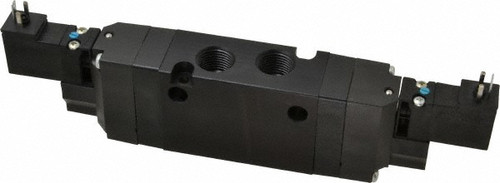
Parker Hannifin
SKU: HPS-DS-PH-B622ADH53A
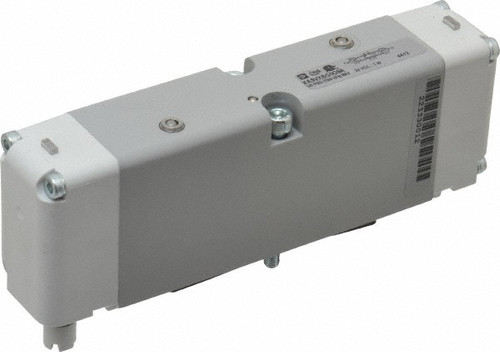
Parker B622ADH53A 3/8 Inch 4-Way Solenoid Air Valve, 120VAC
$534.40 -
 $474.69
 -
 $341.63
 -
 $455.56
 -
 $293.23
 -
 $318.84
 -
 $342.43
 -
 $272.50
 -
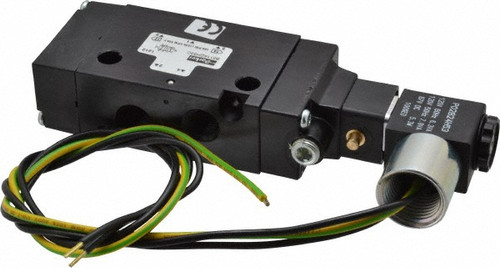
Parker Hannifin
SKU: HPS-DS-PH-B511ADH53C
Parker B511ADH53C 1/4 Inch 4-Way Solenoid Air Valve, 120VAC
$343.32 -
 $210.58
 -
 $438.35
Refrigeration Components
(Showing 24 of 91)Shop refrigeration components for HVAC and commercial refrigeration service, including valves, controls, fittings, driers, accumulators, and system-protection parts. Compare the exact part number, component type, refrigerant application, connection size and style, pressure or flow rating, and installation direction where verified.
Compatibility Notice: Confirm the exact part number, refrigerant or system application, connection size, flow direction, pressure rating, and complete equipment model before ordering. Recovery, evacuation, charging, and service must follow applicable codes and manufacturer instructions.
Buyer Guide & FAQs
What should I check first when shopping for Refrigeration Components?
Start with the complete equipment model and exact original part number. Confirm that the listing is the correct component type before comparing component function, refrigerant application, connection size, flow direction, pressure rating, capacity, electrical requirements, and equipment model.
Which specifications matter most for Refrigeration Components?
Compare component function, refrigerant application, connection size, flow direction, pressure rating, capacity, electrical requirements, and equipment model. Use only values verified on the original component, equipment documentation, or product listing.
Can I choose Refrigeration Components from a photo or approximate dimensions?
No. Appearance and approximate size do not confirm electrical function, rating, connector, mounting, revision, or approved equipment application.
How can I tell exactly what is included with a refrigeration-component listing?
Check whether the listing identifies a valve, fitting, drier, accumulator, control, kit, or complete assembly. Confirm whether connectors, gaskets, coils, mounting hardware, or other accessories are stated as included; do not assume they accompany the main component.
What information should I provide HVACProSales if I cannot identify the right Refrigeration Components item?
Provide the equipment manufacturer, complete model number, serial number when available, exact number on the old part, component type, and clear photos of the equipment label and existing component.