

How to Fix a Noisy Mini Split: Identify and Resolve Common Issues
Published by HVACProSales Team on Mar 26th 2026
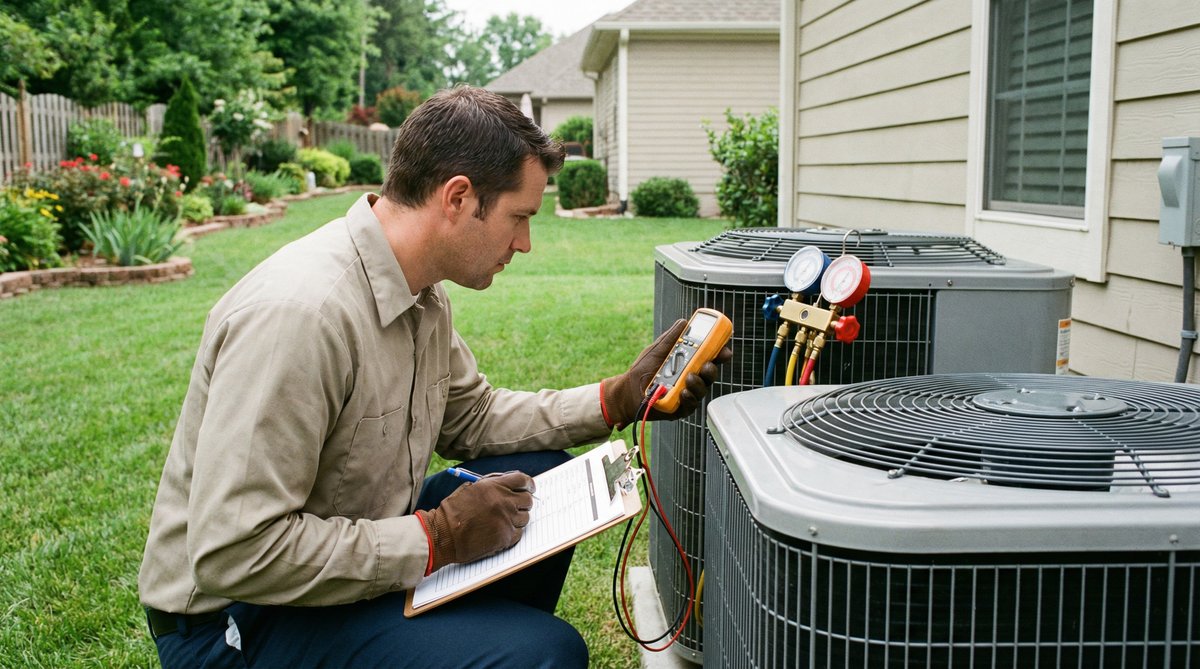
How to Fix a Noisy Mini Split: Identify and Resolve Common Issues
Ductless mini-split systems are celebrated for their whisper-quiet operation, often operating at sound levels as low as 19 decibels. However, when your once-silent unit begins to rattle, buzz, or squeal, it can be both annoying and a sign of underlying mechanical or electrical issues. As an HVAC professional, I have seen how a small noise can escalate into a costly repair if left unaddressed. This guide will walk you through identifying the source of the noise and providing actionable solutions to restore peace to your home.
Understanding Normal vs. Abnormal Mini Split Noises
Before reaching for your toolbox, it is essential to distinguish between operational sounds and genuine malfunctions. Mini splits undergo various cycles that naturally produce sound. For instance, during the defrost cycle in winter, you may hear a "whooshing" or "gurgling" sound as the refrigerant reverses direction to melt ice on the outdoor coil [1]. Similarly, the plastic chassis of the indoor unit may occasionally "pop" or "crack" as it expands and contracts with temperature changes [2]. These are typically normal occurrences and do not require intervention unless they become excessive or are accompanied by a drop in performance.

Common Noises, Causes, and Professional Solutions
When a noise falls outside the realm of normal operation, it usually fits into one of several categories. The table below summarizes the most frequent noise complaints and their primary causes.
| Sound Type | Likely Cause | Severity | Recommended Action |
|---|---|---|---|
| Rattling | Loose panels, debris in fan, or loose screws | Low | Tighten components and clear debris |
| Buzzing/Humming | Electrical issues or compressor vibration | Medium | Inspect contactors and add vibration pads |
| Squealing/Grinding | Worn fan motor bearings or unbalanced blade | High | Lubricate or replace the fan motor |
| Hissing/Whistling | Refrigerant leak or restricted airflow | High | Clean filters and check for leaks |
| Thumping | Unbalanced outdoor unit or compressor issue | Medium | Level the unit and check mounting |
1. How to Fix a Rattling Mini Split
Rattling is perhaps the most common noise and is often the easiest to fix. It usually stems from a component that has vibrated loose over time.
Step-by-Step Instructions:
1. Power Down: Always turn off the power at the breaker before inspecting internal components.
2. Inspect the Filters: Ensure the air filters are seated correctly. A loose filter can vibrate against the plastic housing.
3. Check the Fan Wheel: Open the front panel and look at the cylindrical blower fan. Use a flashlight to check for debris like dust clumps or small objects that may have fallen inside.
4. Tighten Screws: Check the mounting bracket and the screws holding the plastic casing. If the unit is not flush against the wall, it can create a resonant vibration.
5. Pro Tip: If the rattle persists, check the lineset outside. If the copper pipes are touching the wall directly without proper insulation or a wall sleeve, the vibration from the compressor can travel into the home.
2. Resolving Buzzing or Humming Noises
A steady buzz often indicates an electrical component is struggling or that the outdoor unit's vibration is transferring through the structure.
Step-by-Step Instructions:
1. Check the Outdoor Unit: If the buzzing is coming from outside, ensure the unit is sitting on a level pad.
2. Install Vibration Pads: Place Vibration Isolation Pads under the feet of the outdoor condenser. This decouples the unit from the ground or wall bracket, significantly reducing noise transfer [3].
3. Electrical Inspection: If the buzzing is coming from the indoor electrical board, it could be a failing relay or transformer. This requires a professional HVAC technician to diagnose with a multimeter.
3. Addressing Squealing or Grinding
These high-pitched sounds are usually mechanical and related to the fan motor.
Step-by-Step Instructions:
1. Clean the Blower Wheel: An unbalanced fan wheel caused by heavy dust buildup can lead to bearing wear. Clean the wheel thoroughly with a soft brush.
2. Lubricate Bearings: Some older models have oil ports on the fan motor. However, most modern mini splits use sealed bearings. If the squealing persists after cleaning, the fan motor likely needs replacement.
3. Check for Obstructions: Ensure the fan blade isn't hitting the condensate drain kit or the internal housing.

Real-World Use Case: The Case of the "Ghostly Whistle"
A client recently reported a high-pitched whistling sound whenever their system reached high speeds. Upon inspection, the "fix" was surprisingly simple. The homeowner had neglected to clean the air filters for six months. The restricted airflow created a vacuum effect, pulling air through small gaps in the plastic housing, which produced a whistling sound. After cleaning the filters and resetting the front panel, the noise vanished instantly. This highlights the importance of regular maintenance in preventing "phantom" noises.
"A well-maintained mini split is a silent mini split. Over 70% of noise-related service calls could be prevented with simple monthly filter cleanings and annual professional inspections." — HVAC Pro Insight
Proactive Maintenance Tips for a Quiet System
To ensure your system remains as quiet as the day it was installed, follow these professional maintenance steps:
- Monthly Filter Checks: Clean your filters every 30 days, or more frequently if you have pets.
- Clear the Outdoor Coil: Ensure no leaves, twigs, or snow are obstructing the outdoor unit's airflow.
- Annual Tune-ups: Have a professional check refrigerant levels and tighten electrical connections once a year.
- Use Sound Blankets: For particularly loud outdoor units, consider an aftermarket compressor sound blanket to muffle operational noise.
Shop Mini Split Systems | Mini Split Accessories
Frequently Asked Questions
Why is my mini split making a popping sound?
Popping sounds are usually caused by the plastic housing expanding or contracting as the temperature of the air flowing through the unit changes. This is common during the start of a cycle or during defrost mode and is generally not a cause for concern.
Can a low refrigerant charge cause noise?
Yes, a low refrigerant charge can cause a hissing or bubbling sound as air or vapor bubbles move through the lineset. If you hear this along with a decrease in cooling performance, contact a professional to check for leaks.
How loud should my mini split be?
Most indoor units operate between 19 and 30 decibels, which is quieter than a whisper. Outdoor units are louder, typically ranging from 45 to 60 decibels. If your unit is significantly louder than these ratings, it requires inspection.
Should I turn off my mini split if it's making a grinding noise?
Yes. A grinding noise indicates metal-on-metal contact or a failing motor bearing. Continuing to run the unit can cause the motor to seize or damage the blower wheel, leading to more expensive repairs.
Contact the HVAC Experts
If you have tried these troubleshooting steps and your mini split is still making unusual noises, don't wait for a total system failure. Our team of experts is ready to help you find the right parts or provide technical support.
Call us today: 1-866-330-1709
Email: support@hvacprosales.com
Browse our full selection: HVAC Pro Sales Home
References
- Gree Comfort: How to Quiet Noisy Mini-Split Heat Pumps
- Cool Power AC: 5 Common Mini-Split Noises and What They Mean
- Pioneer Mini Split: How to Reduce Noise Levels From Outdoor Units