

How to Install a Multi-Zone Mini Split System: Professional Guide
Published by HVACProSales Team on Mar 26th 2026
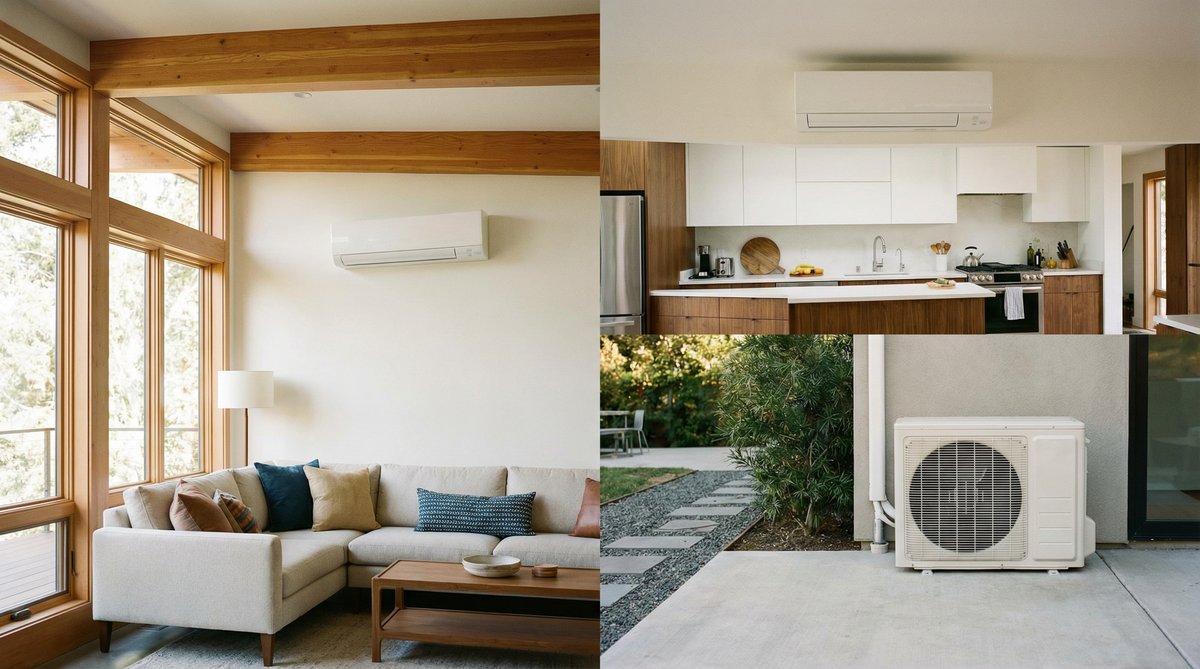
How to Install a Multi-Zone Mini Split System: A Professional HVAC Guide
A multi-zone mini split system represents the pinnacle of modern residential climate control, offering the unique ability to maintain different temperatures in various rooms using a single outdoor condenser unit. Unlike traditional central air systems that rely on bulky ductwork, these ductless systems utilize thin refrigerant lines to connect multiple indoor air handlers to a central outdoor unit. This configuration not only enhances energy efficiency by eliminating duct-related thermal losses but also provides homeowners with personalized comfort levels across their living spaces. For HVAC professionals and advanced DIY enthusiasts, understanding the nuances of installing these sophisticated systems is essential for ensuring long-term reliability and peak performance.
Pre-Installation Planning and Sizing Requirements
The foundation of a successful multi-zone installation lies in meticulous planning and accurate load calculations. Before any equipment is purchased, a comprehensive Manual J load calculation should be performed for each individual zone. This process ensures that the indoor units are correctly sized to handle the cooling and heating demands of their respective rooms without being oversized, which can lead to short-cycling and poor dehumidification. Furthermore, the outdoor unit must have a total capacity that matches or slightly exceeds the combined load of the active indoor units, considering the system's specific "diversity factor" or the likelihood of all zones operating at maximum capacity simultaneously [1].
Selecting the right type of indoor unit is equally critical. While wall-mounted units are the most common due to their cost-effectiveness, ceiling cassettes offer a more discreet look, and floor-mounted units are ideal for spaces with limited wall area or high ceilings. The placement of these units must prioritize unobstructed airflow and accessibility for future maintenance. For the outdoor condenser, a location that provides at least 24 inches of clearance for proper heat exchange and is protected from heavy snow or direct debris is highly recommended.
Table 1: Common Multi-Zone Configuration Examples
| Configuration | Total Outdoor Capacity | Zone 1 (Living Room) | Zone 2 (Master Bed) | Zone 3 (Office) |
|---|---|---|---|---|
| Dual Zone | 18,000 BTU | 12,000 BTU | 9,000 BTU | N/A |
| Tri-Zone | 27,000 BTU | 12,000 BTU | 9,000 BTU | 9,000 BTU |
| Quad Zone | 36,000 BTU | 18,000 BTU | 9,000 BTU | 9,000 BTU |
Essential Tools and Materials Checklist
Installing a multi-zone system requires a specialized set of tools that go beyond standard household equipment. Professional-grade HVAC tools are necessary to handle refrigerant lines safely and ensure a leak-free environment. Key items include a high-quality vacuum pump capable of reaching deep vacuums, a digital micron gauge for precise measurement, and a set of manifold gauges compatible with R-410A or R-32 refrigerants. Additionally, a precision flaring tool and a torque wrench are non-negotiable for creating the secure mechanical connections required for high-pressure refrigerant lines.
Beyond the specialized HVAC gear, standard construction tools such as a powerful hammer drill with a 3-inch hole saw bit, a reliable torpedo level, and various wire strippers are essential. The materials list is equally specific, requiring UV-rated refrigerant line sets, insulated drain hoses, and 14/4 stranded communication wire to facilitate data exchange between the indoor and outdoor components. A dedicated electrical disconnect box and a flexible whip are also required to provide the high-voltage power needed to run the outdoor condenser safely.
Pro Insight: Always use a torque wrench when tightening flare nuts. Over-tightening can crush the copper flare and cause microscopic leaks that are difficult to find, while under-tightening will inevitably lead to refrigerant loss over time.
Step-by-Step Installation Guide
Phase 1: Indoor Unit Installation
The installation process begins indoors by securing the mounting brackets for each air handler. It is vital to use a level to ensure the bracket is perfectly horizontal, as this directly affects the unit's ability to drain condensate properly. Once the bracket is secure, a 3-inch hole must be drilled through the exterior wall. This hole should be angled slightly downward—approximately a quarter-inch per foot—to allow gravity to assist in condensate drainage. After the hole is prepared, the refrigerant lines, communication wires, and drain tube are carefully bundled and fed through the wall before the indoor unit is clicked into place on its mounting bracket [2].
Phase 2: Outdoor Unit Installation
The outdoor condenser should be placed on a level, vibration-absorbing pad or a heavy-duty wall bracket. If the unit is located in a region prone to snow, it should be elevated at least 6 to 12 inches above the ground using "snow feet" or a specialized stand to prevent ice buildup from obstructing the coil. Proper clearance around the unit is paramount; most manufacturers require at least 12 inches of space on the intake side and 24 to 36 inches on the discharge side to ensure the fan can move air efficiently across the heat exchanger.
Phase 3: Connecting the Line Sets and Wiring
Routing the line sets from each indoor zone to the outdoor condenser requires patience and precision. Each line set must be carefully bent to avoid kinking the copper tubing, which can restrict refrigerant flow and damage the compressor. At the connection points, professional flaring techniques are the secret to a leak-free system. After cutting the copper to the correct length and deburring the edges, a 45-degree flare is created. Applying a small drop of specialized refrigerant oil or "Nylog Blue" to the flare face can help create a superior seal. Electrical wiring must follow the manufacturer's diagram exactly, typically involving three power wires (L1, L2, Ground) and four communication wires (1, 2, 3, Ground) for each zone.
Phase 4: Pressure Testing and Evacuation
The most critical phase of the installation is the pressure test and evacuation. Before releasing any refrigerant, the system should be pressurized with dry nitrogen to approximately 400-500 PSI and held for at least 30 to 60 minutes. This "standing pressure test" confirms the integrity of every flare connection. Following a successful pressure test, the nitrogen is purged, and a vacuum pump is connected. The goal is to pull a vacuum below 500 microns and maintain it. Professionals often use the "triple evacuation" method, where the vacuum is broken with a small amount of nitrogen twice before the final pull, ensuring all moisture and non-condensable gases are removed from the system [3].
Real-World Use Case: A Whole-Home Retrofit Success
Consider a traditional 1,500-square-foot ranch-style home that previously relied on window units for cooling. By installing a 36,000 BTU quad-zone system, the homeowners were able to provide targeted cooling to the master bedroom, two guest rooms, and the main living area. The primary challenge in this retrofit was the length of the line set runs to the furthest bedroom. By carefully planning the route through the attic and using aesthetic line set covers on the exterior, the installation remained visually appealing while providing a massive upgrade in comfort and energy efficiency. The homeowners reported a 30% reduction in their monthly energy bills compared to the previous summer's window unit usage.
Pro Tips for a Reliable Installation
To ensure the longevity of a multi-zone system, several professional best practices should be followed. First, never skip the use of a dedicated electrical circuit; mini splits are sensitive to voltage fluctuations and sharing a circuit can lead to premature board failure. Second, always ensure the condensate drain line is trapped if the manufacturer requires it, and test the drainage by pouring water into the indoor unit's drain pan before finalizing the assembly. Finally, take the time to organize and label the communication wires at the condenser. In a multi-zone system, mixing up the wiring for Zone A and Zone B will result in the system cooling the wrong room, a common and frustrating error for technicians.
Frequently Asked Questions
Can I install a multi-zone system myself?
While some "DIY" kits like Mr. Cool are designed for homeowner installation with pre-charged lines, most professional-grade systems require specialized tools and EPA certification to handle refrigerants. Improper installation can void warranties and lead to expensive repairs.
How many zones can one outdoor unit handle?
Most residential multi-zone condensers are designed to handle between two and five zones. Larger light-commercial systems can manage even more, but for typical homes, a five-zone unit is usually the maximum.
What is the maximum distance for a line set?
Line set limits vary by manufacturer but typically range from 66 to 100 feet per zone, with a total combined length limit for the entire system. Exceeding these limits can reduce efficiency and put undue stress on the compressor.
Do I need to add more refrigerant for extra zones?
Outdoor units come pre-charged for a certain total length of line set (e.g., 100 feet total). If your combined line set length exceeds this factory charge limit, additional refrigerant must be weighed in according to the manufacturer's specifications.
Conclusion and Call to Action
Installing a multi-zone mini split system is a significant investment that pays dividends in comfort and energy savings. By following a rigorous installation process—from accurate load calculations to meticulous vacuum procedures—you can ensure your system operates at peak efficiency for years to come. Whether you are upgrading an older home or outfitting a new addition, the flexibility of multi-zone technology is unmatched in the HVAC industry.
For high-quality equipment and expert advice on your next project, explore our extensive selection of systems and accessories. Our team of professionals is ready to help you find the perfect solution for your specific needs.
Contact HVAC Pro Sales Support:
Email: support@hvacprosales.com
Phone: 1-866-330-1709
References
[1] "Manual J Residential Load Calculation," ACCA, https://www.acca.org/standards/technical-manuals/manual-j
[2] "Ductless Mini-Split Installation Guide," Energy.gov, https://www.energy.gov/energysaver/ductless-mini-split-air-conditioners
[3] "The Importance of Deep Vacuum in HVAC," HVAC School, https://hvacrschool.com/evacuation-vacuum-deep-vacuum/