

How to Install an HVAC Contactor: Expert Replacement Guide (2026)
Published by HVACProSales Team on Mar 26th 2026
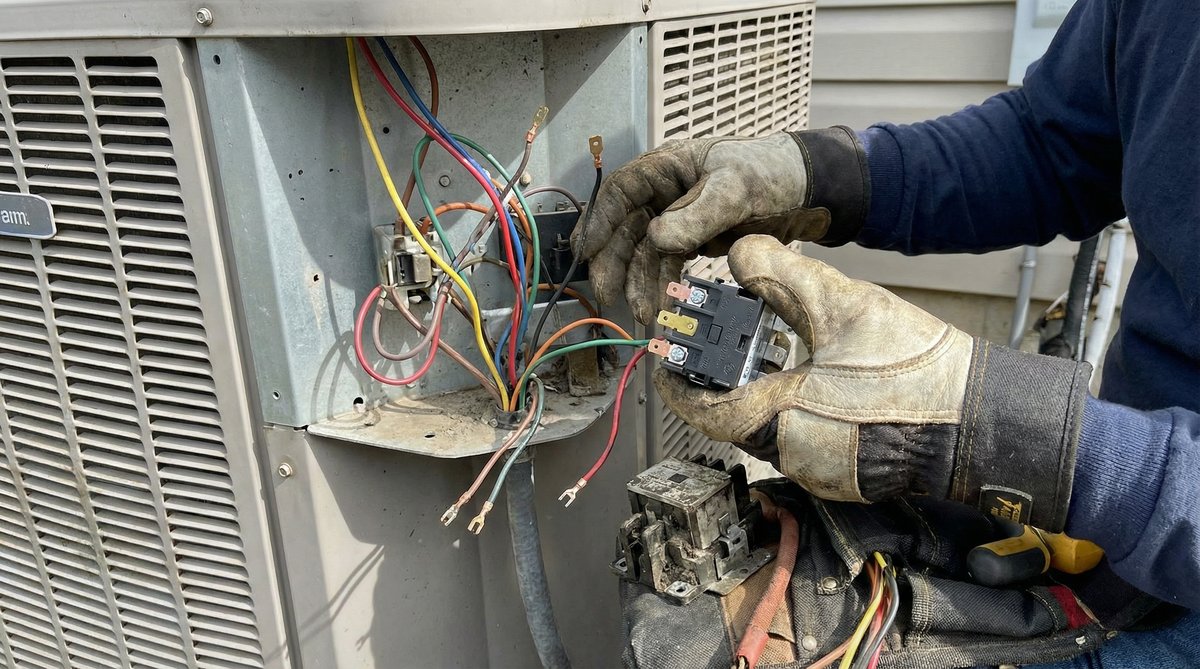
How to Install an HVAC Contactor: Replacement Guide
The HVAC contactor is often referred to as the "gatekeeper" of your air conditioning system. This small but critical component acts as an electromagnetic switch that controls the flow of high-voltage electricity to the compressor and the condenser fan motor. When your thermostat calls for cooling, it sends a low-voltage signal (typically 24V) to the contactor's coil, creating a magnetic field that pulls down a set of contacts to complete the high-voltage circuit. Without a functioning contactor, your AC unit simply cannot start, making it one of the most common points of failure in residential and commercial HVAC systems [1] [2].
Learning how to install an HVAC contactor is a valuable skill for any technician or DIY-inclined homeowner. While the process is straightforward, it involves handling high-voltage components that require strict adherence to safety protocols. This guide provides a comprehensive, step-by-step approach to diagnosing, selecting, and replacing an HVAC contactor to ensure your cooling system remains reliable throughout the peak season.
Understanding the HVAC Contactor Specifications
Before beginning a replacement, it is essential to understand the specifications of the contactor you are working with. Not all contactors are created equal, and using an incorrectly rated part can lead to premature failure or even damage to the compressor. The most critical ratings to check are the Full Load Amps (FLA), Locked Rotor Amps (LRA), and the Coil Voltage.
| Specification | Description | Importance |
|---|---|---|
| Poles | The number of separate circuits the contactor controls (Single-pole vs. Double-pole). | Must match the original wiring configuration. |
| Coil Voltage | The voltage required to activate the magnet (usually 24V, 120V, or 240V). | Most residential systems use 24V; industrial may use higher. |
| FLA (Full Load Amps) | The maximum current the contactor can handle continuously. | Replacement must meet or exceed the original rating. |
| LRA (Locked Rotor Amps) | The surge current the contactor can handle during motor startup. | Critical for protecting the compressor during initial torque. |
Single-pole contactors only break one side of the high-voltage line, while double-pole contactors break both. While a double-pole contactor can often replace a single-pole unit, the reverse is rarely true and can be dangerous if the system expects both lines to be disconnected [3].
Signs Your HVAC Contactor Needs Replacement
Identifying a failing contactor early can prevent more expensive repairs, such as a burnt-out compressor motor. Over time, the silver-plated contacts inside the switch can wear down due to "arcing"—a small spark that occurs every time the contacts open or close. This arcing leads to several common symptoms that indicate it is time for a replacement.
"Pitted or corroded contacts, black burn marks, or melted plastic are clear signs that the part needs to be replaced. These issues can impede the flow of electricity and cause the system to overheat or fail to start entirely." [4]
Visual and Audible Indicators
If you open the electrical panel of your condenser unit and see pitting (small craters on the contact surfaces) or charring (black carbon buildup), the contactor is nearing the end of its life. You might also hear a loud "chattering" or "buzzing" sound when the AC tries to start. This often indicates that the electromagnetic coil is weakening or that there is debris, such as ants or wasps, stuck between the contacts.
Performance Issues
A common sign of contactor failure is when the indoor blower fan is running, but the outdoor unit remains silent. Alternatively, you may hear the compressor humming but not actually turning. In some cases, the contacts can weld themselves shut, causing the outdoor unit to run continuously even when the thermostat is satisfied, which can lead to a frozen evaporator coil and potential compressor floodback [5].
Safety First: Pre-Installation Checklist
Working with HVAC systems involves both 24V control circuits and 240V power circuits. Safety is paramount. Before touching any wires, you must follow these preparation steps:
- Disconnect Power: Turn off the breaker at the main electrical panel and pull the disconnect handle at the outdoor unit.
- Verify Zero Voltage: Use a digital multimeter set to AC Volts to test the "Line" side of the contactor. Ensure you have 0V between the two lines and between each line and ground.
- Gather Tools: You will typically need a 1/4" or 5/16" nut driver, needle-nose pliers, wire strippers, and a replacement contactor with matching specifications.
- PPE: Wear safety glasses and electrical-rated gloves if you are working in a tight or damp environment.
Step-by-Step Installation Guide
Once safety is confirmed, follow these steps to ensure a professional-grade installation.
Step 1: Document the Existing Wiring
Before disconnecting anything, take several clear photos of the original wiring from different angles. Use wire markers or colored tape to label which wires are "Line" (power coming in), "Load" (power going to the compressor/fan), and "Coil" (low-voltage wires from the thermostat). This prevents confusion during the reinstallation phase.
Step 2: Remove the Old Contactor
Loosen the mounting screws holding the contactor to the electrical panel. Carefully pull the wires off the terminals using needle-nose pliers. If the wires are brittle or burnt, trim back the insulation and strip about 1/2 inch of fresh copper to ensure a solid connection on the new part.
Step 3: Mount and Wire the New Contactor
Secure the new contactor in the same position as the old one. Connect the high-voltage "Line" wires to the bottom terminals (L1 and L2) and the "Load" wires to the top terminals (T1 and T2). Finally, attach the two low-voltage wires to the coil terminals on the sides of the contactor.
Step 4: Secure and Inspect
Ensure all terminal screws are tightened firmly. A loose connection creates resistance, which leads to heat and eventual failure. Give each wire a gentle "tug test" to confirm it is seated correctly. Ensure no stray wire strands are touching the metal casing or adjacent terminals.
Testing and Troubleshooting
After the installation is complete, it is time to verify the repair.
- Restore Power: Reinsert the disconnect and turn on the breaker.
- Call for Cooling: Set the thermostat to a temperature lower than the current room temperature.
- Observe the Action: You should hear a distinct "click" as the contactor's plunger pulls in. The compressor and fan should start immediately.
- Voltage Drop Test: With the system running, use your multimeter to check the voltage drop across the contacts. A reading higher than 0.1V AC indicates a poor connection or a defective new part [6].
Pro Tips for Longevity
To extend the life of your new HVAC contactor, consider these professional maintenance tips:
- Never Sand the Contacts: Some older guides suggest using sandpaper to clean pitted contacts. This is a mistake. Modern contacts are silver-plated; sanding removes this protective layer, leading to rapid oxidation and failure within weeks.
- Insect Prevention: Many contactors fail because "crazy ants" or wasps are attracted to the electromagnetic field. Consider using a contactor with a protective cover or applying a light amount of insect repellent around the electrical cabinet.
- Check Capacitor Health: A failing start or run capacitor can cause the contactor to chatter, significantly reducing its lifespan. Always check the capacitor's microfarad (µF) rating when replacing a contactor.
Conclusion
Replacing an HVAC contactor is a cost-effective way to restore your air conditioning system's performance and prevent catastrophic compressor failure. By following the correct safety procedures and matching the electrical specifications precisely, you can ensure a reliable repair that lasts for years. However, if you are uncomfortable working with high-voltage electricity or if the system still fails to start after replacement, it is best to contact a licensed professional.
For high-quality replacement parts or expert technical assistance, visit our store or reach out to our support team.
Shop HVAC Contactors | Shop Multimeters & Tools
Contact Support:
- Email: support@hvacprosales.com
- Phone: 1-866-330-1709
FAQ
Can I use a 40-amp contactor to replace a 30-amp one?
Yes, you can always go up in amperage (FLA) rating, but never down. A 40-amp contactor is built to handle more current and will typically last longer than a 30-amp unit in the same application, provided the coil voltage and pole count match.
Why does my new contactor keep buzzing?
A buzzing sound usually indicates a low-voltage issue. If the transformer is not providing a steady 24V, the coil may not have enough strength to hold the plunger down firmly. It could also be caused by a small piece of debris or rust on the magnetic surface.
How long should an HVAC contactor last?
Under normal conditions, a high-quality contactor should last between 5 to 10 years. However, factors like high cycling rates (thermostat turning on and off frequently), low voltage, or extreme heat can shorten this lifespan significantly.
Does it matter which side the 24V wires go on?
For a standard AC contactor coil, the polarity of the 24V wires does not matter. As long as one wire goes to each side of the coil terminals, the electromagnet will function correctly.
References
[1] Replacing an Air Conditioning Contactor
[2] How to Replace a Contactor: A Step-by-Step Guide
[3] How to Replace Contactors in a Central HVAC System
[4] Signs Of AC Contactor Failure
[5] Faulty AC Contactor Symptoms and Replacement Guide
[6] How and When to Change A Contactor