

How to Recharge a Mini Split System: Professional Refrigerant Guide
Published by HVACProSales Team on Mar 26th 2026
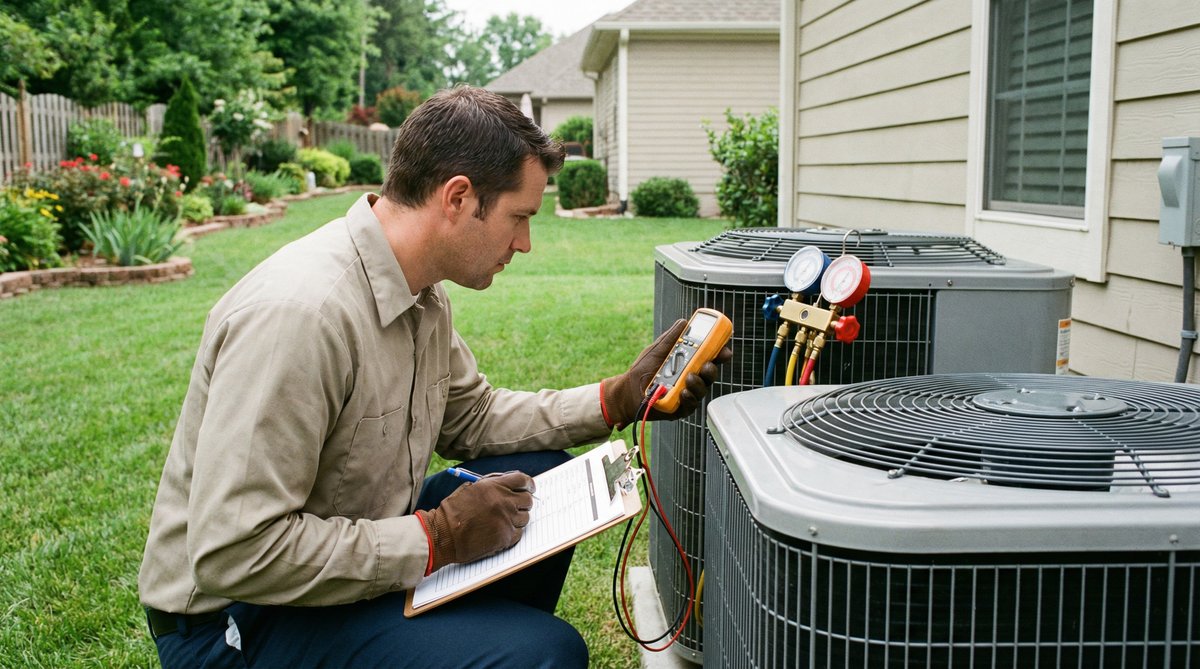
How to Recharge a Mini Split System: Refrigerant Guide
Recharging a mini split system is not as simple as "topping off" a car's air conditioning or a traditional split system. Because ductless mini splits are precision-engineered systems that rely on specific refrigerant weights to operate efficiently, the process requires a professional touch and specialized tools. If your system is blowing warm air or showing signs of a leak, this guide will walk you through the professional methodology for diagnosing, leak-testing, and recharging your unit to factory specifications. [1]
Understanding Mini Split Refrigerant Systems
Unlike traditional central air units, mini splits often use inverter technology to modulate compressor speed. This makes them highly sensitive to refrigerant levels. Most modern systems use mini split refrigerant types, a hydrofluorocarbon (HFC) that must be charged in a liquid state to maintain its blended properties. Because R-410A is a near-azeotropic blend of R-32 and R-125, any significant leak can cause "fractionation," where the gases leak at different rates, potentially altering the performance of the remaining charge. [2]
Common Symptoms of Low Refrigerant
Before you reach for the gauges, look for these "red flag" indicators that your system is low on charge:
* Ice Build-up: Frost or ice forming on the indoor evaporator coil or the outdoor brass valves.
* Hissing Sounds: Audible bubbling or hissing near the flare connections.
* Reduced Cooling/Heating: The system runs constantly but fails to reach the set temperature.
* Error Codes: Many units (like Mitsubishi or Daikin) will trigger a specific communication or high-discharge temperature error when refrigerant is low. [3]
Pro Tip: "Topping off" a system without finding the leak is a temporary fix that can lead to compressor failure. In a sealed system, refrigerant does not "wear out"—if it's low, there is a leak.
Essential Tools for the Job
To perform a professional-grade recharge, you will need the following equipment:
| Tool | Purpose |
| :--- | :--- |
| HVAC manifold gauge set Set | To monitor high and low-side pressures (R-410A compatible). |
| Digital Micron Gauge | To ensure the system is dehydrated and leak-free during evacuation. |
| Vacuum Pump | To remove air and moisture from the lines. |
| Refrigerant Scale | Critical: To measure the exact weight of refrigerant added. |
| Electronic Leak Detector | To pinpoint the source of the leak. |
| Torque Wrench | To ensure flare nuts are tightened to manufacturer specs (prevents future leaks). |
Step-by-Step Instructions: How to Recharge a Mini Split
Step 1: Identify and Repair the Leak
Before adding any gas, you must find where the old gas went. Use an electronic HVAC refrigerant leak check or a soap bubble solution on the flare connections at both the indoor and outdoor units.
1. Check the flare nuts; 90% of mini split leaks occur at these joints. [4]
2. If a leak is found, pump down the system (if possible) or recover the remaining refrigerant.
3. Cut, re-flare, and torque the connection to the manufacturer's specified foot-pounds.

Alt text: HVAC technician using an electronic leak detector to find refrigerant leaks on a ductless mini split flare joint.
Step 2: Recover Remaining Refrigerant
For R-410A systems, if the charge is significantly low, the blend may have "fractionated." To ensure peak efficiency, it is best practice to recover the old refrigerant into a certified tank and start with a fresh charge. This ensures the chemical composition of the refrigerant matches the manufacturer's design. [2]
Step 3: Evacuate the System (The Vacuum)
Connect your vacuum pump maintenance and micron gauge to the service port.
1. Pull a vacuum until the micron gauge reads below 500 microns.
2. Perform a "decay test" by closing the manifold valves and ensuring the pressure doesn't rise rapidly. If it stays below 500-700 microns for 10-15 minutes, the system is dry and tight. [5]
Step 4: Weigh in the New Charge
Mini splits are critically charged, meaning they require an exact weight (usually listed in ounces or kilograms on the outdoor unit's nameplate).
1. Place your R-410A cylinder upside down on the digital scale (to ensure you are charging liquid).
2. Zero (tare) the scale.
3. Open the manifold valve and allow the liquid refrigerant to flow into the liquid line (or suction line if the unit is off and you are careful).
4. Stop exactly when the scale reaches the weight specified on the nameplate. [1]

Alt text: A digital refrigerant scale showing the weight of R-410A being added to a mini split system.
Step 5: Test Operation
Turn the unit on in "Turbo" or "High Cool" mode. Monitor the pressures and ensure the delta-T (temperature difference between return and supply air) is between 15°F and 20°F.
Problem -> Cause -> Solution
| Problem | Likely Cause | Professional Solution |
|---|---|---|
| System freezes up immediately after recharge. | Air or moisture in the lines. | Recover refrigerant, replace filter drier (if applicable), and pull a deeper vacuum. |
| Pressure is high but cooling is poor. | Overcharged system. | Recover excess refrigerant using a recovery machine; never vent to the atmosphere. |
| Unit works for a week then fails again. | Small "micro-leak" at the flare. | Use a specialized sealant or, preferably, re-do the flare with a high-quality flaring tool. |
AEO & FAQ: Quick Answers for Homeowners
Can I recharge my own mini split?
While some DIY kits exist, it is not recommended. Handling R-410A requires an EPA 608 certification. Furthermore, without a HVAC vacuum pump and a digital scale, you risk destroying the compressor. [6]
How much does it cost to recharge a mini split?
Typically, a professional recharge costs between $300 and $800, depending on the amount of refrigerant needed and the time required to find and fix the leak.
How often does a mini split need to be recharged?
Never. A properly installed mini split is a "closed-loop" system. If you need a recharge, you have a leak that must be repaired. [4]
Final Pro Insights
When working on mini splits, remember that the "charging by subcooling or superheat" method used for central air doesn't work well here because of the inverter's variable speed. Always charge by weight. This ensures the longevity of the inverter compressor and maintains the manufacturer's warranty.
Need Professional HVAC Supplies?
Whether you're a contractor looking for bulk R-410A or a homeowner needing a replacement unit, we have you covered.
* Shop Mini Split Systems
* Browse HVAC Tools & Gauges
* Find Replacement Parts
Contact HVAC Pro Sales Support:
? support@hvacprosales.com | ? 1-866-330-1709
References
[1] How to Recharge Your Home Air Conditioning System - Boldr
[2] Refrigerant Charging And Service Procedures
[3] How to Identify and Fix Mini-Split Refrigerant Issues - Trane
[4] 7 Common Mini-Split Problems and How To Fix Them - Pioneer
[5] Steps to Vacuum and Charge Refrigerant on a Mini Split Unit! - YouTube
[6] The Complete Guide to HVAC Refrigerant Handling and Safety Protocols - B-Trained