

Mini Split Electrical Requirements: Breaker and Wire Guide (2026)
Published by HVACProSales Team on Mar 26th 2026
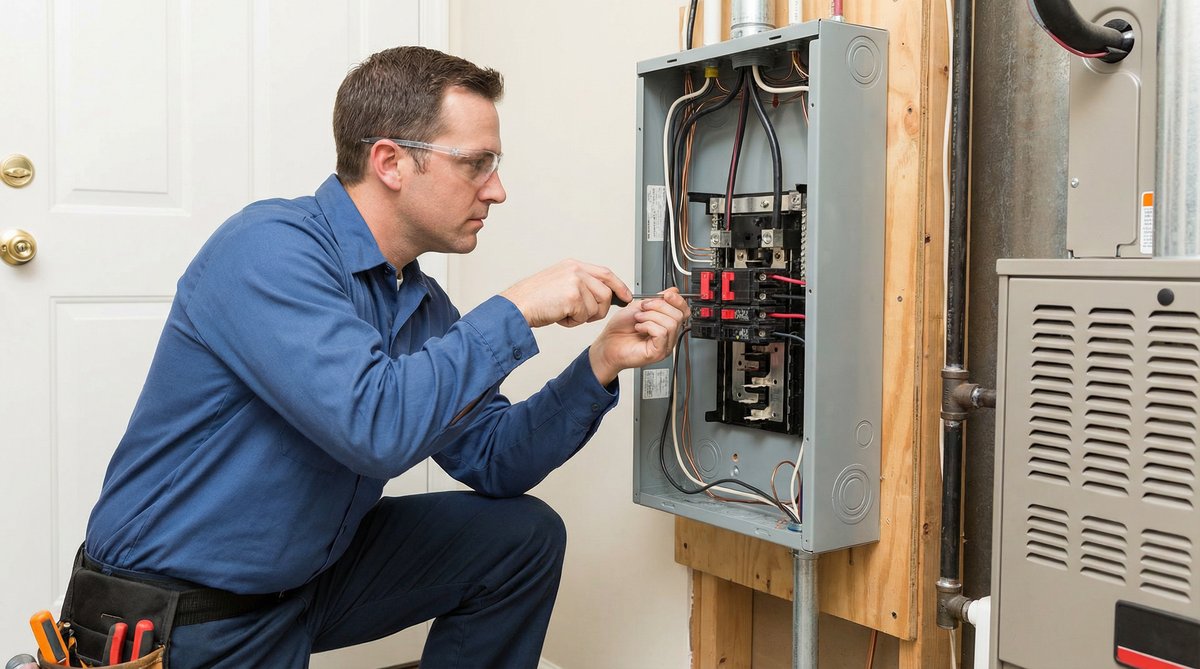
Mini Split Electrical Requirements: Breaker and Wire Guide
Installing a ductless mini split system is one of the most effective ways to achieve zoned comfort and high-energy efficiency in your home. However, beyond the physical mounting of the indoor and outdoor units, the electrical installation is perhaps the most critical phase for both performance and safety. A mini split is not a "plug-and-play" appliance; it requires a dedicated circuit, specific wire gauges, and precisely sized breakers to operate correctly and comply with the National Electrical Code (NEC).
As an HVAC professional, I have seen numerous system failures caused by improper wiring or undersized breakers. These issues can range from simple nuisance tripping to catastrophic inverter board failure. This guide will walk you through the essential electrical requirements for mini split installations, providing the technical insights you need to ensure a safe and reliable setup. [1] [2]
Understanding Electrical Specifications: MCA and MOCP
Before you purchase wire or a breaker, you must understand two key terms found on every mini split condenser's nameplate: Minimum Circuit Ampacity (MCA) and Maximum Overcurrent Protection (MOCP). These values are the foundation of your electrical design.
Minimum Circuit Ampacity (MCA): This value represents the minimum current-carrying capacity that the circuit conductors must have. It is used to determine the appropriate wire gauge for the installation. [3]
Maximum Overcurrent Protection (MOCP): This value indicates the maximum size of the circuit breaker or fuse that can be used to protect the equipment. Using a breaker larger than the MOCP can lead to equipment damage in the event of a fault. [3]
When selecting your components, your wire must be rated for at least the MCA, and your breaker must not exceed the MOCP. Typically, installers aim for a breaker size that matches or is slightly below the MOCP for optimal protection.

Voltage Requirements: 115V vs. 230V Systems
Mini split systems are generally categorized by their voltage requirements, which are typically determined by their cooling capacity (BTUs). Smaller units, often up to 12,000 BTU, frequently run on standard 115V power. Larger units and multi-zone systems almost exclusively require 208-240V power. [4]
| System Capacity (BTU) | Typical Voltage | Breaker Type |
|---|---|---|
| 9,000 - 12,000 | 115V | Single-Pole |
| 18,000 - 60,000 | 230V | Double-Pole |
| Multi-Zone Systems | 230V | Double-Pole |
A 115V system uses a single hot wire and a neutral wire, requiring a single-pole breaker. In contrast, a 230V system uses two hot wires, necessitating a double-pole breaker that can simultaneously disconnect both phases. This ensures that no voltage remains in the unit when the breaker is tripped.
Mini Split Breaker and Wire Sizing Chart
While you should always consult your specific unit's manual, the following table provides general recommendations for common mini split sizes based on standard industry practices and MRCOOL technical data. These values assume the use of copper wiring, which is the industry standard for HVAC installations. [3]
| Unit Size (BTU) | Typical Voltage | Recommended Breaker (Amps) | Recommended Wire Gauge (AWG) |
|---|---|---|---|
| 9,000 | 115V | 15A - 20A | 14 - 12 AWG |
| 12,000 | 115V | 20A - 25A | 12 - 10 AWG |
| 18,000 | 230V | 20A - 30A | 12 - 10 AWG |
| 24,000 | 230V | 25A - 35A | 10 - 8 AWG |
| 36,000 | 230V | 35A - 45A | 8 - 6 AWG |
| 48,000 | 230V | 45-60A | 6 - 4 AWG |
Note that if you are using aluminum wire, you must increase the wire size (lower AWG number) to compensate for its lower conductivity compared to copper. Furthermore, for long wire runs (typically over 50-75 feet), you may need to "upsize" the wire to prevent voltage drop, which can cause the inverter compressor to struggle or overheat. [5]
The Importance of the Outdoor Disconnect
According to NEC 440.14, every outdoor HVAC unit must have a dedicated disconnect switch within sight of the equipment and in a readily accessible location. This allows a technician to safely cut power to the unit before performing maintenance or repairs. [6]
Most residential installations use a non-fused disconnect box, as the circuit is already protected by a breaker in the main panel. However, if your local code requires it or if you want an extra layer of protection, a fused disconnect can be used. Ensure the enclosure is NEMA 3R rated for outdoor use to protect the electrical connections from rain and debris.

Communication Wiring: The Link Between Units
In addition to the main power supply to the outdoor condenser, you must run a communication cable between the outdoor and indoor units. This cable carries both power (to run the indoor fan and electronics) and data signals (to tell the unit when to heat or cool). [7]
Most manufacturers require a 14 AWG 4-conductor stranded cable, often referred to as "14/4 mini split wire." This cable typically includes three insulated conductors (Line 1, Line 2/Neutral, and Communication) and one ground wire. It is crucial to use a cable specifically rated for this purpose, such as THHN or specialized tray cable, to ensure it can withstand the environmental conditions and provide a clean signal. [7]
Step-by-Step Electrical Installation Checklist
- Verify Power Supply: Ensure your main electrical panel has enough space and capacity for a new dedicated circuit.
- Install the Breaker: Mount the appropriate single or double-pole breaker in the panel.
- Run the Main Feed: Pull the correctly sized wire through conduit from the panel to the outdoor disconnect location.
- Mount the Disconnect: Secure the disconnect box to the exterior wall near the condenser.
- Wire the Condenser: Connect the power from the disconnect to the outdoor unit's terminal block.
- Run Communication Cable: Route the 14/4 cable from the outdoor unit to each indoor head unit.
- Establish Grounding: Ensure both the indoor and outdoor units are properly grounded to the main panel.
- Final Inspection: Check all connections for tightness and verify voltage at the unit before powering on.
Pro Insights: Protecting Your Investment
Beyond the basic requirements, there are two professional upgrades I highly recommend for any mini split installation:
Surge Protection: Modern mini splits use sensitive inverter boards that are susceptible to power surges. Installing a dedicated HVAC surge protector at the disconnect can save you thousands in repair costs. [8]
Voltage Monitors: If you live in an area with unstable power, a voltage monitor can automatically disconnect the unit if voltage drops too low or spikes too high, preventing compressor burnout.
Frequently Asked Questions
Can I plug my mini split into a standard wall outlet?
No. Mini splits require a dedicated hardwired circuit to handle the high startup and running current. Plugging a unit into a shared outlet can cause overloads and fire hazards.
What happens if I use the wrong wire gauge?
Using wire that is too thin (higher AWG) increases electrical resistance, leading to heat buildup and voltage drop. This can cause the system to run inefficiently or fail prematurely.
Do I need a licensed electrician for the wiring?
While many homeowners handle the physical mounting, most local codes require a licensed electrician to perform the final high-voltage connections and sign off on the permit.
Can I use Romex (NM-B) wire for a mini split?
Romex is generally not permitted for the outdoor portion of the run, even inside a conduit, as it is not rated for wet locations. You should use THWN-2 or a similar outdoor-rated wire. [9]
Shop Professional HVAC Supplies
Ready to start your installation? We carry a full line of mini split systems, disconnect boxes, and specialized wiring to get the job done right.
Shop Mini Splits | Shop Electrical Supplies
Contact Support:
Email: support@hvacprosales.com
Phone: 1-866-330-1709
References
- Central Washington Heating - Mini Split Electrical Requirements
- Ferguson - Mini Split Wiring Guide
- MRCOOL - Mini Split Wiring Size Recommendations
- The Furnace Outlet - Mini-Split Installation Guide
- HVAC How To - How to Get the Right Breaker Size and Wire Gauge
- Electrical License Renewal - NEC 440.8 Single Machine and Location
- Mike Holt's Forum - Mini Split NEC Code Question
- GREE Comfort - How to Wire a Mini Split System
- Green Building Advisor - Code Requirement for Electrical Outlet Near Minisplit