
![Mini Split Leaking Water Outside: Normal Operation or Repair? — 2026 Guide [5 Causes + Solutions 2026]](https://cdn11.bigcommerce.com/s-sjebkgblx5/images/stencil/190x250/https://files.manuscdn.com/user_upload_by_module/session_file/310519663234110120/yRxfVbAYOsZuRmks.jpg "Mini Split Leaking Water Outside: Normal Operation or Repair? — 2026 Guide [5 Causes + Solutions 2026]")
Mini Split Leaking Water Outside: Normal Operation or Repair? — 2026 Guide [5 Causes + Solutions 2026]
Published by HVACProSales Team on Mar 26th 2026
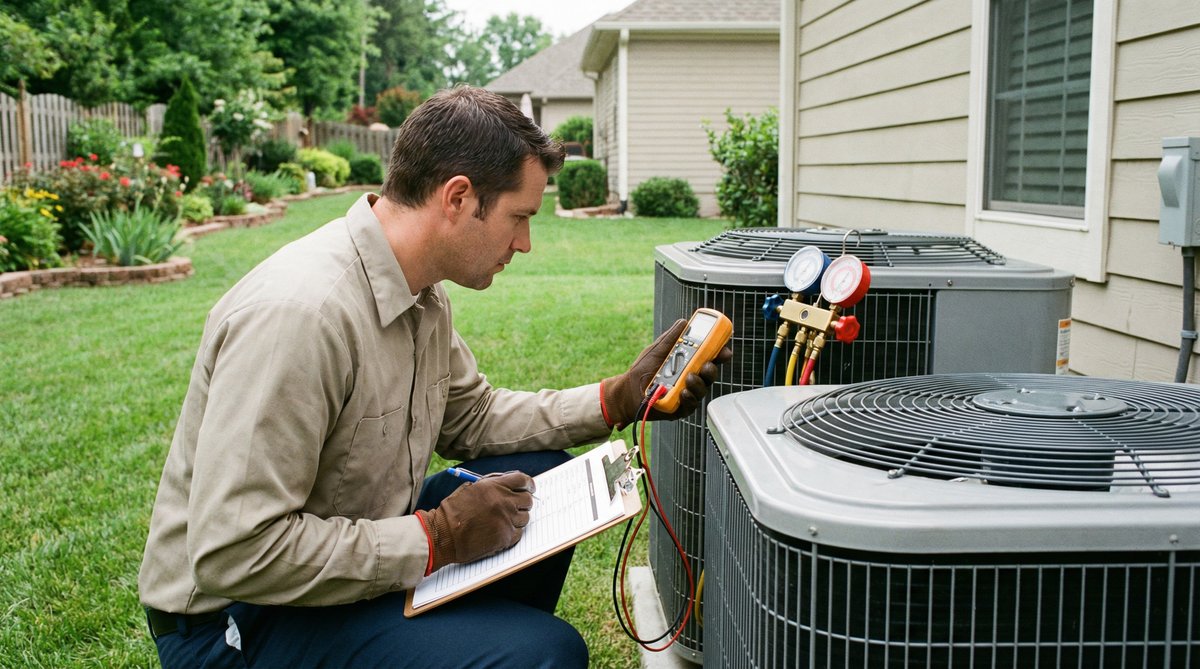
Mini Split Leaking Water Outside: Normal Operation or a Real Problem?
As an HVAC technician with over 15 years in the field, one of the most common service calls I receive during the changing seasons sounds something like this: "My mini split is dripping water from the outdoor unit. Is it broken?" The answer, as with most things in heating and cooling, is: It depends.
🔍 Diagnosis Checklist
- Check the air filter — clean or replace if dirty
- Inspect the indoor coil for ice buildup
- Verify the outdoor unit is running and not tripped
- Check refrigerant pressure with manifold gauges
- Test the capacitor and contactor for failure
- Inspect the control board for error codes
While seeing water pool around your indoor unit is almost always a sign of trouble, water appearing around the outdoor condenser can actually be a sign that your system is working exactly as intended. However, there are specific scenarios where that "leak" is actually a symptom of a failing component, a maintenance oversight, or an improper installation.
In this comprehensive guide, we’ll break down the difference between normal condensation and a system-threatening leak, providing you with the technical insight to troubleshoot your unit like a pro.
1. When is Water Leaking Outside "Normal"?
Most homeowners are surprised to learn that a mini split should produce water outside under certain conditions. This is primarily due to the physics of heat transfer and humidity.
Heating Mode (Winter Operation)
In the winter, your mini split works in reverse. It extracts heat from the outdoor air and moves it inside. During this process, the outdoor coils become very cold—often colder than the dew point of the surrounding air. Moisture in the air then condenses on these coils.
The Defrost Cycle
When the outdoor temperature drops below freezing, that condensation turns into frost or ice on the coils. To maintain efficiency, the system periodically enters a Defrost Cycle. It temporarily reverses the flow of refrigerant to warm up the outdoor coils and melt the ice.
- The Result: You will see a significant amount of water dripping from the bottom of the condenser unit. This is 100% normal.
- Pro Tip: Many units come with a "drain plug" or "drain elbow" that can be connected to a hose to direct this water away from your foundation or walkway.
"A mini split in defrost mode can dump up to a quart of water in a single cycle. If you see steam or hear a 'whooshing' sound followed by water dripping, your system is doing exactly what it was designed to do." [1]

Recommended HVAC Parts & Tools
Summary of Normal vs. Abnormal Drainage
| Scenario | Mode | Cause | Is it Normal? |
|---|---|---|---|
| Water dripping from the bottom pan | Heating | Defrost cycle melting ice | Yes |
| Consistent dripping from a dedicated pipe | Cooling | Indoor humidity being drained | Yes |
| Water pooling inside the outdoor casing | Any | Blocked drain holes in the base pan | No |
| Water leaking from the line set insulation | Any | Condensation on uninsulated copper | No (Fixable) |
2. When is it a Problem? (Common Causes)
If you notice water leaking in places it shouldn't, or if the volume seems excessive during cooling mode, you might have one of the following issues.
Clogged Condensate Drain Line
The most frequent culprit for mini split issues is a clogged condensate drain kit. In cooling mode, the indoor unit collects moisture and sends it outside through a PVC or flexible tube.
- The Cause: Algae, mold, or even small insects (like dirt daubers) can block this line. [2]
- The Symptom: Water may back up into the indoor unit, but you might also see it leaking from joints in the line outside rather than the end of the pipe.
- The Fix: Use a wet/dry shop vac to suck out the obstruction from the exterior end of the line.
Improper Installation
If your system is brand new and leaking, the installation might be the issue.
- Leveling: If the outdoor condenser isn't level, the water produced during defrosting can't reach the drain holes, leading to ice buildup and potential damage to the fan blades.
- Pitch: The drain line must have a consistent downward slope. If there's a "trap" or an upward bend, water will sit in the line and eventually leak or grow slime.

Low Refrigerant (The "Frozen Coil" Effect)
When a system is low on refrigerant, the pressure drops, causing the coils to get much colder than they should. This leads to excessive ice formation. [3]
- The Symptom: You'll see thick ice on the outdoor brass valves or the indoor coils. When this ice melts (when the unit is off), it creates a "leak" that exceeds the capacity of the drain pan.
- Pro Insight: If you see ice on the small liquid line (the thinner copper pipe), it's almost always a sign of a HVAC refrigerant leak check or a restriction.
3. Real-World Use Case: The "Ice Block" Mystery
I once visited a client who complained their mini split "stopped working and started leaking" during a cold snap. Upon inspection, the outdoor unit was sitting directly on a concrete pad without "snow feet" (risers).
Because the unit was flush with the ground, the water from the defrost cycles had nowhere to go. It froze into a solid block of ice that eventually reached the fan blades, causing the system to shut down.
The Solution: We lifted the unit onto 6-inch risers and installed a heat tape in the base pan. This allowed the "normal" leakage to drain away properly, preventing the "problem" of a frozen fan.
4. Pro Maintenance Checklist
To prevent "bad" leaks and manage "good" ones, follow this HVAC contractor's checklist:
- Clear the Base Pan: Ensure leaves and dirt aren't blocking the small drain holes in the bottom of your outdoor unit.
- Inspect the Insulation: Ensure the refrigerant lines (the "line set") are fully insulated. Exposed cold copper will sweat and drip.
- Annual Flush: Once a year, pour a mixture of warm water and a drop of dish soap (or a specialized cleaner) through the indoor drain pan to keep the line clear.
- Check the Condensate Pump: If your system uses a pump, ensure it is functioning and the reservoir is clean.
Shop Mini Split Accessories | Shop Mini Splits
FAQ: Mini Split Exterior Leaks
Q: Why is my mini split dripping from the copper pipes outside?
A: This is usually just condensation. If the insulation on the line set is torn or missing, the cold pipes will sweat when they hit warm air. It’s a minor efficiency loss but usually not a "leak" from the system itself.
Q: How much water is "normal" for a mini split to produce?
A: On a humid day, a mini split can produce several gallons of water. If it's coming out of the dedicated drain line, it's fine. If it's coming out of the unit's casing in cooling mode, check for clogs.
Q: Can a leaking mini split damage my home?
A: Yes. If the indoor unit leaks, it can cause drywall damage and mold. If the outdoor unit leaks and the water freezes on a walkway, it creates a slip hazard. Always ensure water is directed away from the structure.
Q: Does a leak mean I need more Freon?
A: Not necessarily. Most "leaks" are water-related (condensation). However, if you see ice forming on the copper pipes or the unit isn't cooling well, you may have a refrigerant leak that requires a professional.
Need Expert Help?
Don't let a small drip turn into a major repair. Whether you need a new condensate pump or a full system upgrade, our team is here to help.
Contact HVAC Pro Sales:
- Email: support@hvacprosales.com
- Phone: 1-866-330-1709
- Contact Support
References
[1] Pioneer Mini Split: Why Your Mini-Split May Be Leaking Water
[2] Trane: Mini-Split Leaking Water Causes and Solutions
[3] Carrier: Ductless Mini Split Leaking Water Troubleshooting