

MRCOOL Mini Split Troubleshooting: Common Problems Fixed Fast — 2026 Guide
Published by HVACProSales Team on Mar 26th 2026
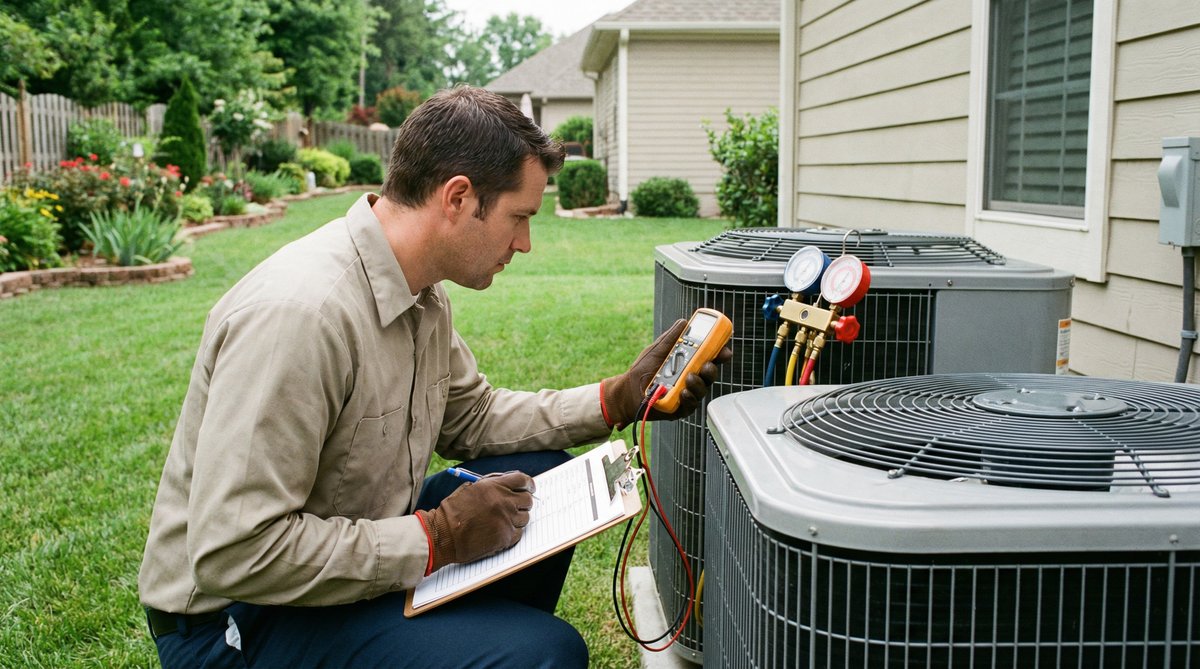
MRCOOL Mini Split Troubleshooting: Common Problems Fixed
As a professional HVAC contractor with years of field experience, I’ve seen firsthand how a small error code or a strange noise can cause unnecessary stress for homeowners. MRCOOL mini splits, particularly the DIY series, are engineered for reliability and ease of use, making them a favorite for those looking to take control of their home comfort. However, like any sophisticated HVAC system, they require proper maintenance and occasional troubleshooting to perform at their peak. Whether you are dealing with an E1 communication error or a unit that simply isn't cooling, this guide provides the expert insights you need to diagnose and fix common MRCOOL problems.
"The key to longevity with any mini split system is proactive maintenance and a clear understanding of the system's diagnostic signals. Ignoring a minor error today often leads to a major repair tomorrow." — Manus, HVAC Expert
Understanding MRCOOL Error Codes: The Diagnostic Language
MRCOOL systems use a sophisticated self-diagnostic framework to help users and technicians identify issues quickly. These codes appear on the indoor unit's LED display or the outdoor unit's main board. Understanding these codes is the first step in any troubleshooting process.
Common Error Codes and Professional Solutions
| Error Code | Meaning | Primary Cause | Professional Solution |
|---|---|---|---|
| E1 | Communication Error | Signal wire disruption between units | Check wiring connections at both terminals; ensure 14/4 cable is intact. |
| E3 | Indoor Fan Malfunction | Obstructed fan or motor failure | Clean air filters; inspect fan motor for debris or physical resistance. |
| F0 | Refrigerant Leak | Low refrigerant levels detected | Inspect lines for oil spots (leaks); contact a licensed tech for recharge. |
| P1 | Voltage Protection | Over or under voltage | Check home voltage stability; use a surge protector for HVAC systems. |
| EC | Leakage Detection | Continuous refrigerant loss | Requires professional repair of the leak followed by system evacuation. |
| E4 | Indoor Temp Sensor Failure | Faulty thermistor | Inspect sensor resistance; replace if reading is outside factory specs. |
Problem -> Cause -> Solution: Real-World Scenarios
1. The Unit is Running but Not Cooling
Problem: You feel air blowing from the indoor handler, but it isn't cold.
Cause: This is the most common complaint and is often due to dirty air filters, a blocked outdoor condenser, or incorrect remote settings.
Solution:
1. Check Filters: Remove and wash the indoor air filters. Clogged filters restrict airflow, preventing the evaporator coil from absorbing heat effectively.
2. Inspect Outdoor Unit: Ensure there are no leaves, dirt, or snow blocking the outdoor condenser coils. A blocked condenser cannot dissipate the heat pulled from your home.
3. Verify Mode: Ensure the remote is set to "Cool" mode (look for the snowflake icon) and the temperature is set at least 3-5 degrees lower than the current room temperature.
2. Water Leaking from the Indoor Unit
Problem: Water is dripping from the bottom of the indoor air handler or running down the wall.
Cause: A clogged condensate drain kit line or an unlevel indoor unit.
Solution:
- Clear the Drain: Use a shop vac or a specialized drain pump to clear any algae or debris from the condensate line. This is a common maintenance item in humid climates.
- Level the Unit: Ensure the indoor unit is mounted perfectly level or with a slight tilt toward the drain hole. If the unit is tilted the wrong way, the internal drain pan will overflow.
3. Weird Noises (Squealing, Grinding, or Hissing)
Problem: The indoor or outdoor unit is making loud, unusual noises.
Cause: Loose fan blades, debris in the housing, or a failing motor bearing. Hissing often indicates a HVAC refrigerant leak check.
Solution: Turn off the power immediately. Open the casing to check for physical obstructions like twigs or loose screws. If the noise persists after clearing debris, the fan motor or compressor may be failing.
Deep Dive: The "E1" Communication Error
The E1 error is the "check engine light" of the MRCOOL world. It signifies that the indoor and outdoor units aren't talking to each other.
- Check the 14/4 Wire: Ensure the communication cable hasn't been chewed by rodents or pulled loose during installation.
- Inspect Terminal Blocks: Look for charred or loose wires at the terminal blocks on both the indoor and outdoor units.
- Power Cycle: Sometimes, a simple hard reset (turning off the breaker for 5 minutes) can clear a ghost E1 error caused by a power surge.
Pro Maintenance Tips for Peak Performance
To avoid the need for troubleshooting altogether, follow these contractor-level maintenance steps:
* Monthly Filter Cleaning: Don't wait for an E3 error. Clean your filters every 30 days to maintain high SEER2 efficiency.
* Annual Coil Cleaning: Use a non-acidic coil cleaner on the outdoor unit once a year to prevent "dirty sock syndrome" and maintain heat exchange efficiency.
* Check Electrical Connections: Ensure all terminals are tight. Thermal expansion and vibration can loosen connections over time, leading to arcing or component failure.
* Clear the Area: Keep a 2-foot clearance around your outdoor unit. Plants and debris restrict airflow and force the compressor to work harder, shortening its lifespan.
Shop Mini Splits | Browse Replacement Parts
FAQ: Frequently Asked Questions
Q: Why is my MRCOOL displaying an "E1" code?
A: This is a communication error. It usually means the signal wire between the indoor and outdoor units is loose or damaged. Check the 14/4 communication cable for secure connections at both ends and ensure no wires are crossed.
Q: Can I recharge the refrigerant myself?
A: While MRCOOL DIY units come pre-charged with the Quick Connect line sets, any subsequent recharge or leak repair must be performed by an EPA Section 608 certified technician to comply with federal law and ensure system integrity.
Q: How often should I service my mini split?
A: For optimal efficiency, we recommend a professional deep clean and inspection once a year, ideally before the peak cooling or heating season. Monthly filter cleaning should be done by the homeowner.
Q: Why does my unit smell like "dirty socks"?
A: This is usually caused by mold or bacteria growth on the indoor evaporator coil. Cleaning the coils with a specialized mini split cleaner and ensuring the drain line is clear will resolve this.
Q: Is it normal for the outdoor unit to frost over in winter?
A: Yes, in heating mode, the outdoor unit will naturally accumulate frost. The system will periodically enter a "Defrost Mode" to melt the ice. If the ice builds up excessively and doesn't melt, you may have a sensor or reversing valve issue.
Call to Action
Don't let HVAC issues keep you from enjoying your home. Whether you need a simple replacement part or a brand-new high-efficiency system, HVAC Pro Sales has you covered with expert support and the best prices in the industry.
Contact Support: support@hvacprosales.com | Call Us: 1-866-330-1709
Shop All MRCOOL Products