
Your Seasonal HVAC Maintenance Checklist
Nov 7th 2025
A Homeowner's Guide
Regular HVAC maintenance keeps your system efficient, extends equipment life, and helps prevent costly breakdowns—especially in hot, humid climates like Miami and South Florida. While some tasks should always be handled by a licensed professional, there are simple, safe steps you can take yourself between service visits.
Use this checklist as a practical guide for your home anywhere in the United States, and pair it with quality filters and accessories from our HVAC Accessories & Supplies and Air Filters sections.
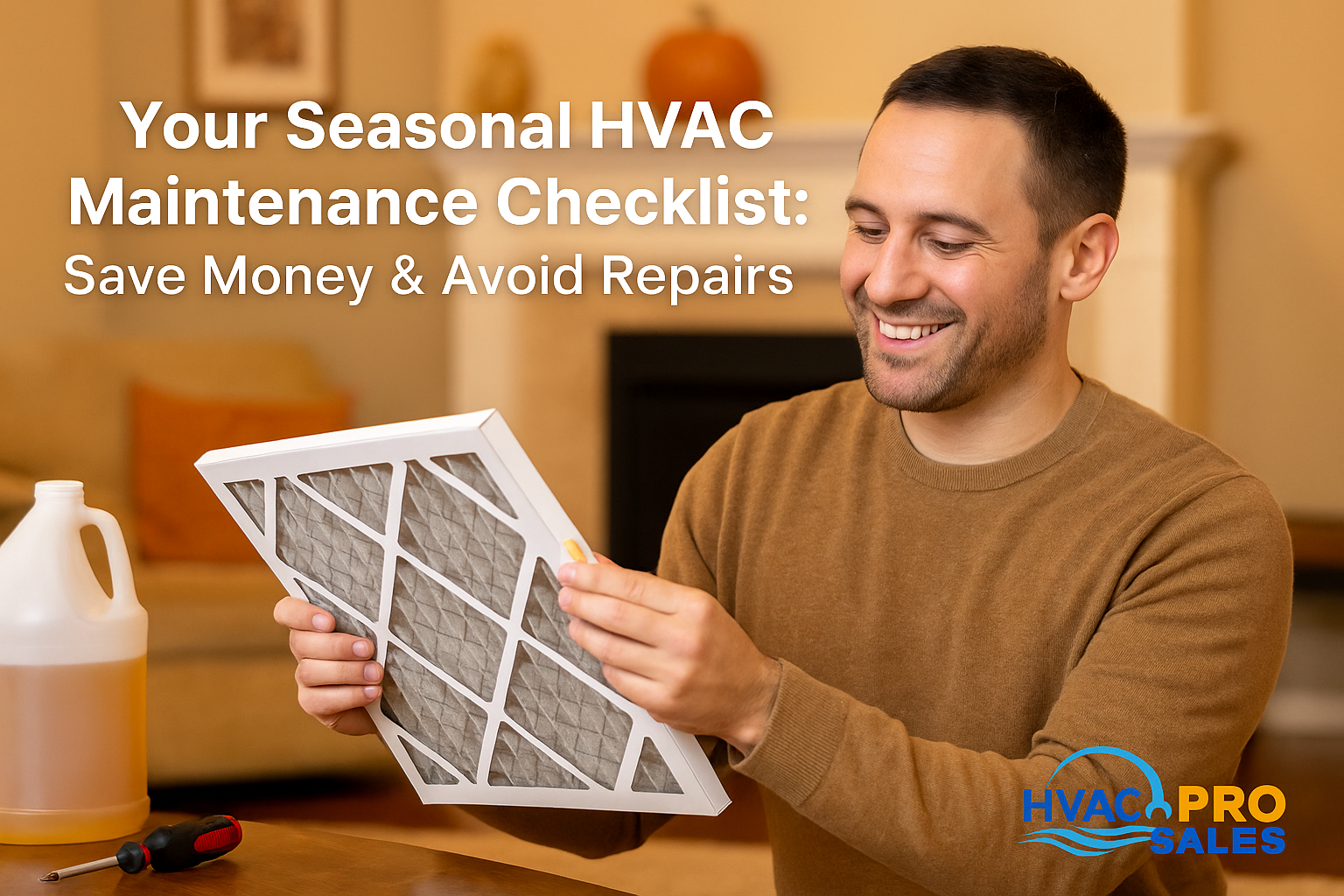
Monthly Tasks You Can Do Yourself
These simple monthly checks help your system breathe easier and maintain comfort. Set a reminder on your phone or calendar so maintenance becomes part of your routine.
- Filter Check: Once a month, visually inspect your HVAC filter for dust and buildup. A dirty filter can reduce airflow, increase energy bills, and strain your system. Browse replacement options in Air Filters and Pamlico Air Filters for upgraded filtration.
- Vent Inspection: Walk your home and make sure all supply and return vents are open and unobstructed by furniture, rugs, or curtains. Blocked vents can cause hot/cold spots and unnecessary stress on your system. If you’re updating registers or grilles, see Grille Tech Grilles, Registers & Diffusers.
- Outdoor Unit Check: Keep at least 2–3 feet of clearance around the outdoor condenser. Gently remove leaves, grass clippings, and debris. If vegetation is close, trim it back so air can move freely. Avoid covering the unit tightly in warm climates like South Florida, as this can trap moisture.
- Performance Note: Listen for unusual noises (rattling, buzzing, squealing) and pay attention to any changes in comfort or run time. If rooms feel warmer, colder, or more humid than usual, make a note—this information helps your contractor diagnose issues faster.
Seasonal Professional Maintenance
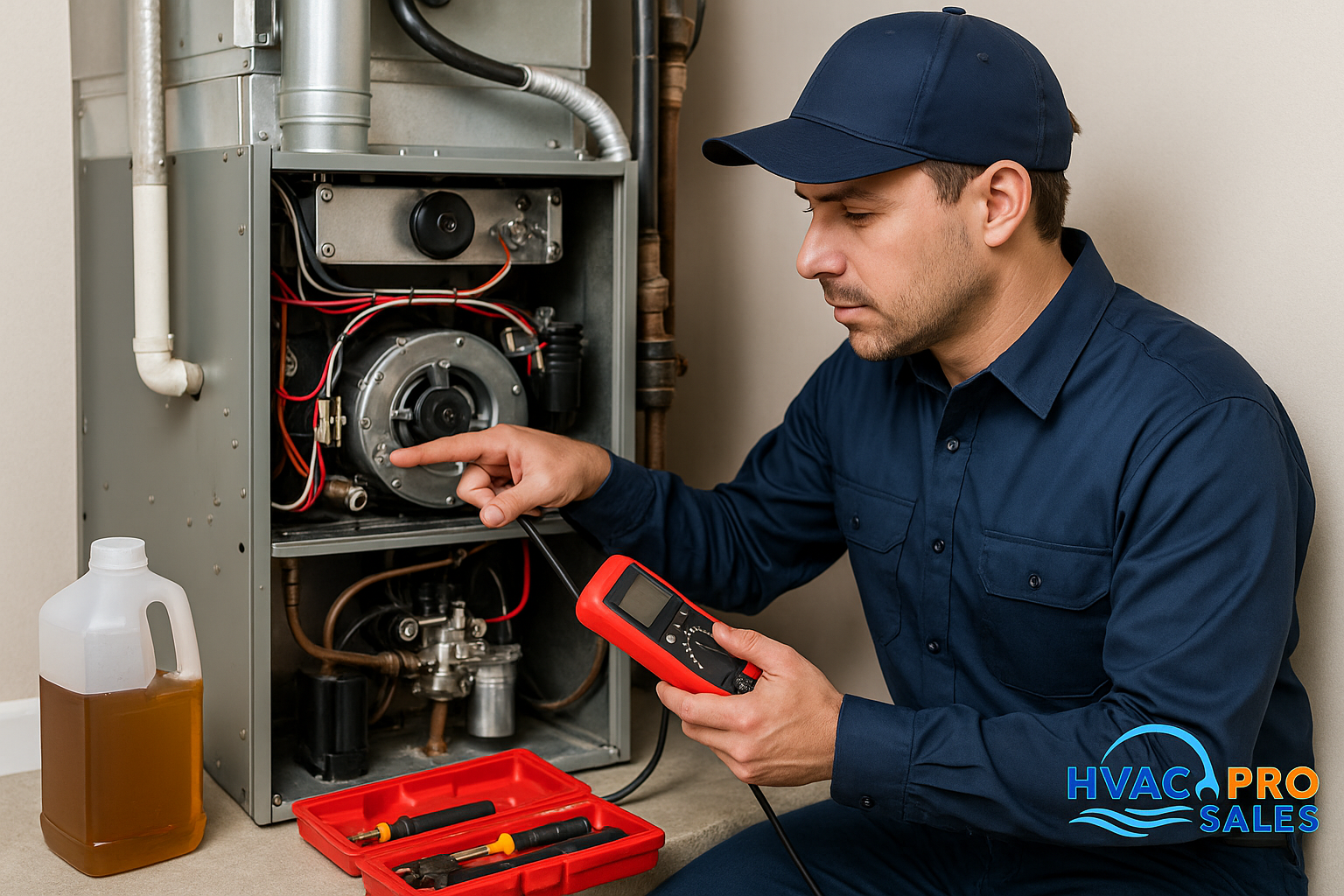
At least twice a year, schedule a professional HVAC tune-up—typically in the spring for cooling and in the fall for heating. A licensed technician will perform safety checks, deep cleaning, and adjustments that homeowners shouldn’t attempt on their own.
Spring (AC Preparation):
A typical spring visit may include:
- Coil cleaning and inspection (indoor evaporator & outdoor condenser)
- Refrigerant level check and system performance testing
- Electrical component testing (capacitors, contactors, wiring)
- Condensate drain clearing to prevent drain pan overflows and water damage
If your contractor recommends upgrades (such as better drain protection or surge protection), you can find OEM-quality parts in Condensate Management (Pumps, Pans, Drains) and Electrical Components.
Fall (Furnace or Heat Pump Heating Preparation):
Before the heating season, especially in cooler regions of the U.S., technicians will typically:
- Inspect the heat exchanger for cracks or damage
- Clean burners and flame sensors for reliable ignition
- Verify gas pressure and combustion settings (for gas systems)
- Test safety devices, including limit switches and CO/safety controls
Many pros use combustion analyzers & diagnostic tools to fine-tune equipment for safety and efficiency—critical in any market, from Miami–Dade to colder northern states.
When to Call a Professional Immediately
Don’t wait for your next scheduled visit if something feels unsafe or seriously off. Shut the system down and call a licensed HVAC contractor right away if you notice:
- Strange smells: Especially burning, electrical, or gas odors
- Unusual noises: Grinding, banging, screeching, or “screaming” compressor sounds
- Reduced airflow or comfort: Some rooms never cool/heat or airflow drops suddenly
- Frequent cycling: System turns on and off repeatedly or won’t shut off
If water is leaking around your indoor unit or you see a wet ceiling below the air handler, you may need attention to your condensate system. Parts like safety switches, drain pans, and pumps are available in Condensate Management and Drain Pan Heaters, but diagnosis and installation should be handled by a professional.
Frequently Asked Questions
Q: How often should I really change my air filter?
A: For most homes, plan on changing your filter every 1–3 months. Homes with pets, allergies, or higher dust levels may need monthly changes. Start by checking the filter every month; once you see how quickly it loads up, you’ll learn your home’s pattern. You can find replacement options in standard HVAC air filters and high-performance Pamlico Air filters.
Q: Can I clean my AC coils myself?
A: Light rinsing of the outdoor coil with a gentle hose setting is usually safe, but avoid high-pressure sprays that can bend delicate fins. For deeper cleaning, especially on indoor coils, we recommend professional service. Your contractor may also use HVAC coil cleaners and chemicals designed specifically for these surfaces.
Q: Is a maintenance plan with a local contractor worth it?
A: In hot climates like South Florida, where air conditioners run most of the year, a maintenance plan can be a smart investment. It typically includes priority service, discounted repairs, and scheduled tune-ups that keep your system running efficiently and help catch small issues before they become major repairs.
Ready to Get Your HVAC System Maintenance-Ready?
Support your contractor’s work with the right filters, drain protections, and accessories so your system stays clean, efficient, and reliable all year long.