

How to Fix a Frozen AC Coil: Thaw and Prevent | HVAC Pro Guide
Published by HVACProSales Team on Mar 26th 2026
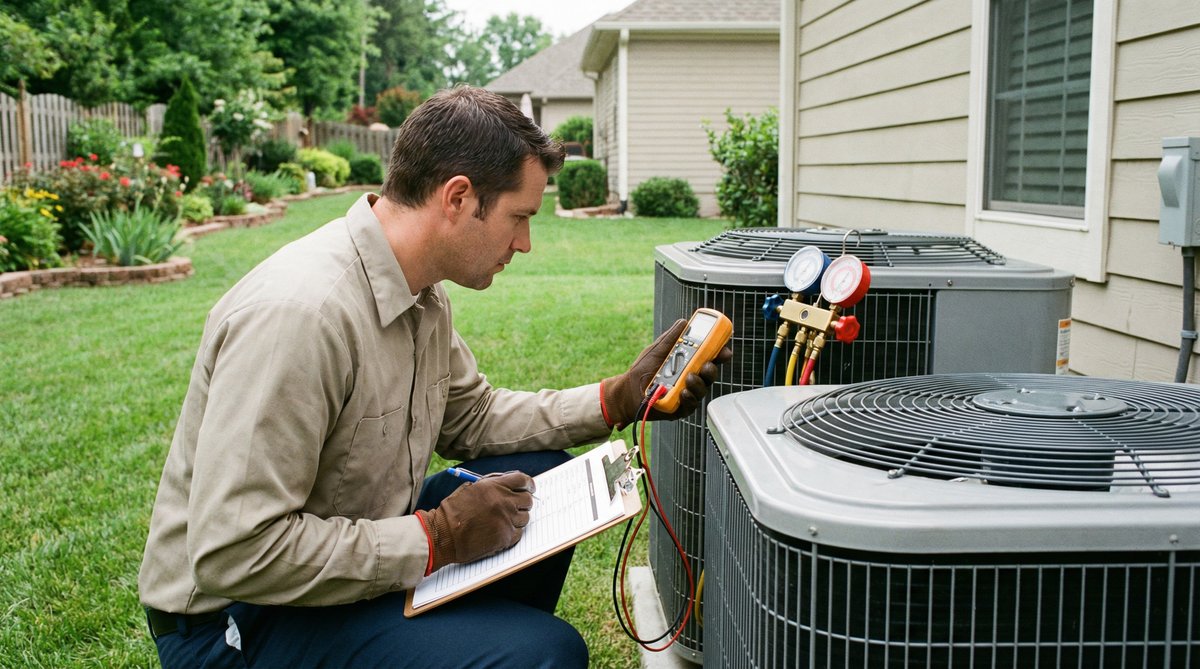
How to Fix a Frozen AC Coil: Thaw and Prevent for Good
Discovering a block of ice where your air conditioner's evaporator coil should be is a frustrating experience, especially during the peak of summer. A frozen AC coil isn't just a minor inconvenience; it's a sign of a significant system failure that can lead to expensive compressor damage if not addressed immediately. As an HVAC professional, I have seen countless homeowners make the mistake of "pushing through" the heat, only to turn a simple filter change into a multi-thousand-dollar repair. This guide provides a professional-grade walkthrough on how to safely thaw your system, identify the root cause, and implement preventative measures to ensure your home stays cool and your energy bills stay low.
Understanding the Science: Why Does an AC Coil Freeze?
To fix a frozen AC coil, you must first understand the delicate balance of the refrigeration cycle. Your air conditioner does not "create" cold; it removes heat from your indoor air. This process relies on the evaporator coil, which is filled with cold refrigerant. As warm return air passes over these coils, the refrigerant absorbs the heat, turning from a liquid to a gas. However, if the airflow is restricted or the refrigerant level is low, the coil temperature can drop below 32°F (0°C). When this happens, the natural humidity in your home's air condenses onto the coil and immediately freezes, creating a layer of ice that acts as an insulator, further blocking heat exchange and accelerating the freezing process.
| Component | Normal Function | Failure State in Freezing |
|---|---|---|
| Evaporator Coil | Absorbs heat from indoor air | Becomes a block of ice, blocking airflow |
| Refrigerant | Cycles heat between indoor/outdoor | Low pressure causes sub-freezing temperatures |
| Blower Motor | Moves air over the coil | Failure stops heat exchange, leading to ice |
| Air Filter | Traps dust and debris | Clogged filter restricts necessary warm airflow |
Step-by-Step: How to Safely Thaw a Frozen AC Coil
If you notice ice on your refrigerant lines or water pooling around your indoor unit, follow these steps immediately. Do not attempt to scrape or chip the ice away, as the aluminum fins and copper tubing are extremely fragile and easily punctured.
Step 1: Shut Down the System
Navigate to your thermostat and switch the system to the OFF position. Running an air conditioner with a frozen coil puts immense strain on the compressor, which is the "heart" of your HVAC system. Continuing to run the unit can cause liquid refrigerant to "slug" back into the compressor, leading to permanent mechanical failure.
Step 2: Activate the Fan Only Setting
While the cooling is off, switch your thermostat's fan setting from AUTO to ON. This forces the indoor blower motor to run continuously, circulating relatively warm room-temperature air over the frozen evaporator coil. This is the safest and most effective way to accelerate the thawing process. Depending on the thickness of the ice, this can take anywhere from 1 to 24 hours.
Pro Tip: While the fan is running, monitor your primary and secondary drain pans. As the ice melts, it can produce a significant volume of water that may overwhelm a clogged condensate drain kit line. Keep towels or a wet-dry vac nearby to prevent water damage to your flooring or ceiling.
Step 3: Inspect and Replace the Air Filter
Once the system is off, check your air filter. If you cannot see light through the filter material, it is restricted. A dirty filter is the leading cause of frozen coils because it prevents enough warm air from reaching the coil to keep the refrigerant above freezing. Replace it with a high-quality pleated filter, but avoid excessively high MERV ratings (above 13) unless your system's ductwork is specifically designed for them, as they can also restrict airflow.
Alt text: Professional HVAC technician inspecting a frozen evaporator coil inside an indoor air handler unit.
Identifying the Root Cause: Problem, Cause, and Solution
Thawing the ice is only a temporary fix. If you don't address the underlying issue, the coil will freeze again within hours of restarting the system.
Problem: Restricted Airflow
Cause: Beyond a dirty filter, airflow can be restricted by closed supply registers, blocked return vents (often by furniture or curtains), or a failing blower motor.
Solution: Ensure at least 80% of your home's supply registers are open. Clear any obstructions from return air grilles. If the blower motor is making a grinding noise or failing to start, contact a professional to test the HVAC capacitor replacement or replace the motor.
Problem: Low Refrigerant Levels
Cause: A refrigerant leak is a common culprit. When the system is low on refrigerant, the pressure inside the evaporator coil drops, which in turn drops the temperature of the coil below the freezing point.
Solution: This is not a DIY fix. Refrigerant operates in a "closed-loop" system; if it is low, there is a leak. An HVAC technician must find the leak, repair it, and recharge the system to the manufacturer's specifications. Shop AC Maintenance Tools to help monitor your system's performance.
Problem: Dirty Evaporator Coil
Cause: Over years of operation, fine dust can bypass the filter and coat the evaporator fins. This layer of grime acts as insulation, preventing the refrigerant from absorbing heat effectively.
Solution: A professional "pull and clean" or an in-place chemical cleaning of the coil is required. This restores the heat exchange efficiency and prevents ice buildup.
Professional Prevention Strategies
The best way to fix a frozen AC coil is to prevent it from happening in the first place. Contractor-level maintenance is the key to longevity.
- Scheduled Filter Changes: Set a recurring reminder to check your filters every 30 days. In homes with pets or high occupancy, you may need to replace them more frequently than the standard 90-day recommendation.
- Annual HVAC Tune-Ups: A professional technician can check refrigerant pressures, clean the coils, and test motor amperages before the cooling season begins. This proactive approach identifies small leaks or failing components before they lead to a system freeze-up.
- Keep Vents Clear: Walk through your home and ensure that no couches, rugs, or heavy curtains are blocking the return air grilles. Your system needs to "breathe" to function.
- Monitor Outdoor Temps: Avoid running your air conditioner when outdoor temperatures are below 60°F. Low ambient temperatures can cause the system's pressures to drop, leading to an accidental freeze-up.
Alt text: Comparison of a clean white HVAC air filter next to a heavily soiled grey filter that can cause AC freezing.
Real-World Use Case: The "Ice Block" Emergency
A client in a high-humidity coastal area reported their AC was running but the house was 82°F. Upon inspection, the copper lines outside were covered in two inches of ice. We followed the protocol: system off, fan on. It took 12 hours to thaw. The culprit? A heavy decorative rug placed over the only return vent in the living room. Once the rug was moved and the filter replaced, the system returned to perfect operation. This highlights how a simple environmental factor can mimic a mechanical failure.
Frequently Asked Questions (FAQ)
Can I use a hair dryer to speed up the thawing?
Yes, you can use a hair dryer on a low or medium heat setting, but keep it at least six inches away from the coil. Never use a heat gun or an open flame, as you risk melting plastic components or damaging the refrigerant lines.
How long does it take for an AC coil to unfreeze?
Typically, it takes between 1 to 24 hours. The duration depends on the thickness of the ice and whether you are running the indoor fan to circulate air.
Is a frozen AC coil a fire hazard?
While not a direct fire hazard, a frozen coil causes the compressor to overheat. Most modern compressors have internal thermal overloads to prevent fires, but the electrical strain can damage your home's wiring or the unit's capacitor over time.
Why is my AC freezing up even with a clean filter?
If the filter is clean, the most likely causes are a HVAC refrigerant leak check, a failing blower motor, or a severely dirty evaporator coil that requires professional cleaning.
Need Professional Assistance?
If your AC continues to freeze after following these steps, don't risk damaging your compressor. Our team of experts is ready to help you restore your comfort.
Contact HVAC Pro Sales Support:
? support@hvacprosales.com
? 1-866-330-1709
Shop Mini Splits | View Maintenance Kits