

How to Improve HVAC Efficiency: 12 Pro Tips for Lower Energy Bills
Published by HVACProSales Team on Mar 26th 2026
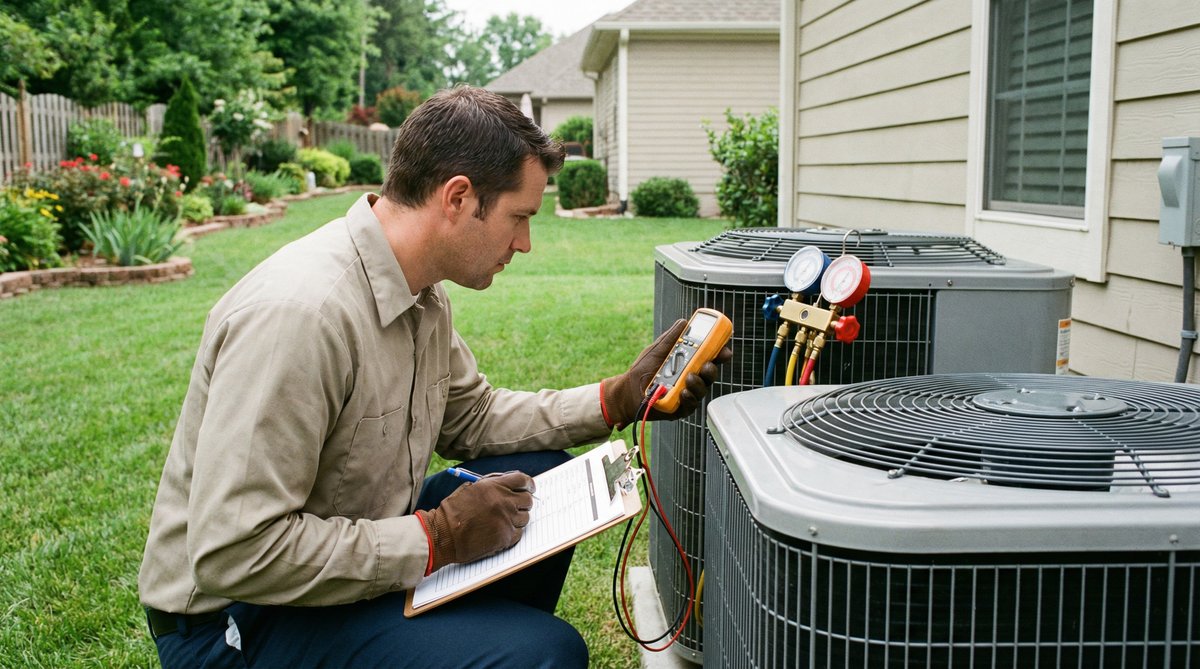
How to Improve HVAC Efficiency: 12 Pro Tips to Lower Your Energy Bills
As an HVAC professional with years of field experience, I have seen firsthand how a few simple adjustments can transform a struggling system into a high-efficiency machine. HVAC systems account for nearly half of the average home's energy consumption [1]. Improving your system's efficiency is not just about saving money; it is about extending the lifespan of your equipment and ensuring consistent comfort throughout the seasons. In this guide, I will share 12 professional tips that range from simple homeowner tasks to advanced technical optimizations.
The Foundation of Efficiency: Maintenance and Airflow
The most common reason for HVAC inefficiency is restricted airflow. When your system cannot "breathe," it has to work twice as hard to move conditioned air, leading to higher bills and premature component failure.
1. Change Your Air Filters Regularly
This is the simplest yet most overlooked maintenance task. A dirty filter blocks airflow and forces the blower motor to consume more electricity.
- Pro Insight: Check your filter monthly. While many filters claim to last 90 days, homes with pets or allergies often require a change every 30 to 45 days.
- Use Case: A client once complained of a $400 electric bill in July. The cause was a $15 filter that hadn't been changed in six months, causing the evaporator coil to freeze over.
2. Clean the Outdoor Condenser Unit
Your outdoor unit (the condenser) is responsible for releasing heat from your home. If the metal fins are clogged with dirt, grass clippings, or dryer lint, the heat exchange process becomes inefficient.
- Step-by-Step Instructions:
1. Turn off the power at the outdoor disconnect box.
2. Use a garden hose (not a pressure washer) to gently rinse the fins from the inside out.
3. Clear any debris or vegetation within a two-foot radius of the unit.
3. Clear and Level the Condensate Drain Line
High humidity can make your AC work harder. The condensate drain kit line removes moisture from the air. If it gets clogged with algae or "sludge," it can cause water damage or system shutdowns.
- Pro Tip: Pour a cup of distilled white vinegar down the drain line every few months to prevent algae growth.
Alt text: Professional HVAC technician cleaning outdoor condenser unit fins to improve heat exchange efficiency.
Advanced Controls and Distribution
Once the physical components are clean, the next step is optimizing how the system is controlled and how the air is distributed.
4. Upgrade to a Smart Thermostat
A programmable or smart thermostat can save you up to 15% on heating and cooling costs annually [2]. These devices learn your schedule and adjust temperatures when you are away or asleep.
- Optimal Settings Table:
| Season | Recommended Setting (Home) | Recommended Setting (Away) |
| :--- | :--- | :--- |
| Summer | 78°F | 82°F - 85°F |
| Winter | 68°F | 60°F - 62°F |
5. Seal Your Ductwork
The Department of Energy estimates that typical duct systems lose 20% to 30% of the air that moves through them due to leaks, holes, and poorly connected ducts [3].
- Problem -> Cause -> Solution:
- Problem: Certain rooms are always warmer than others.
- Cause: Leaky or disconnected ducts in the attic or crawlspace.
- Solution: Use mastic sealant or foil-backed tape (not standard "duct" tape) to seal all visible joints.
6. Insulate Attic and Crawlspaces
Efficiency isn't just about the HVAC unit; it's about the "building envelope." If your attic isn't properly insulated, your HVAC system is essentially cooling the neighborhood.
- Pro Insight: Ensure your attic has at least R-38 to R-60 insulation, depending on your climate zone.
7. Utilize Ceiling Fans Correctly
Ceiling fans don't lower the temperature, but they create a wind-chill effect that allows you to raise the thermostat by about 4 degrees without losing comfort.
- Direction Matters: Run fans counter-clockwise in the summer to push air down, and clockwise in the winter at low speeds to pull cool air up and push warm air down.
Professional Technical Optimizations
These tips often require a bit more technical knowledge or a professional's touch but offer the highest returns on efficiency.
8. Check Refrigerant Levels
An HVAC system is a closed loop. If the refrigerant is low, there is a leak. If it is overcharged, the compressor is under unnecessary stress. Both scenarios lead to massive efficiency losses.
- Warning: Refrigerant handling requires EPA Section 608 certification. Always call a professional if you suspect a leak.
9. Inspect and Tighten Electrical Connections
Loose electrical connections can cause voltage drops and increased resistance, which wastes energy and can lead to component failure.
- Pro Step: During a seasonal tune-up, a technician should check the contactor, capacitors, and wire terminals for any signs of pitting or overheating.
10. Install a Zoning System
If you have a large home, why heat or cool the guest bedroom 24/7? Zoning systems use dampers in the ductwork to direct air only where it is needed.
- Shop Recommendation: Shop Zoning Systems
11. Maintain the Evaporator Coil
While the outdoor unit is easy to see, the indoor evaporator coil is often hidden. A thin layer of dust on this coil acts as an insulator, preventing the refrigerant from absorbing heat efficiently.
12. Consider a High-Efficiency Upgrade (SEER2)
If your system is over 12-15 years old, it likely has a SEER (Seasonal Energy Efficiency Ratio) of 10 or 13. Modern units often reach 18 to 25 SEER2.
- Investment: Upgrading to a high-efficiency heat pump or mini-split can reduce energy use by 20% to 50% compared to older models [4].
- Shop Recommendation: Shop Mini Splits
Alt text: Infographic comparing the energy consumption of a 10 SEER unit versus a modern 20 SEER2 HVAC system.
Real-World Use Case: The "Hot Room" Mystery
A homeowner in Florida complained that their master bedroom was always 5 degrees warmer than the rest of the house. They had already replaced their AC unit with a high-efficiency model, but the problem persisted.
- Investigation: We found that the supply duct to the master bedroom had a 4-inch tear, and the insulation in that part of the attic had been compressed by storage boxes.
- Solution: We sealed the duct with mastic and added blown-in cellulose insulation.
- Result: The room temperature stabilized, and the homeowner's monthly bill dropped another $35.
Frequently Asked Questions (FAQ)
Q: How often should I professionally service my HVAC?
A: You should have a professional tune-up twice a year—once in the spring for your cooling system and once in the fall for your heating system. This ensures peak performance and validates most manufacturer warranties.
Q: Is it okay to close vents in unused rooms?
A: Generally, no. Closing more than 10-20% of your vents can increase static pressure in the ductwork, which can damage the blower motor and actually reduce efficiency by forcing air through leaks in the duct system.
Q: Does a "smart" thermostat really save that much money?
A: Yes. By automating "setbacks" (adjusting the temperature when you are away or asleep), the average homeowner saves about 8% to 15% on their annual heating and cooling costs according to Energy Star data.
Recommended HVAC Parts & Tools
Conclusion and Call to Action
Improving HVAC efficiency is a combination of consistent maintenance, smart technology, and professional oversight. By following these 12 pro tips, you can enjoy a more comfortable home and significantly lower utility bills.
Need professional help or looking for high-efficiency parts?
Contact HVAC Pro Sales Support:
- Email: support@hvacprosales.com
- Phone: 1-866-330-1709
- Shop Now: Explore High-Efficiency HVAC Systems