

How to Lubricate HVAC Motors and Bearings Properly | Pro Guide
Published by HVACProSales Team on Mar 26th 2026
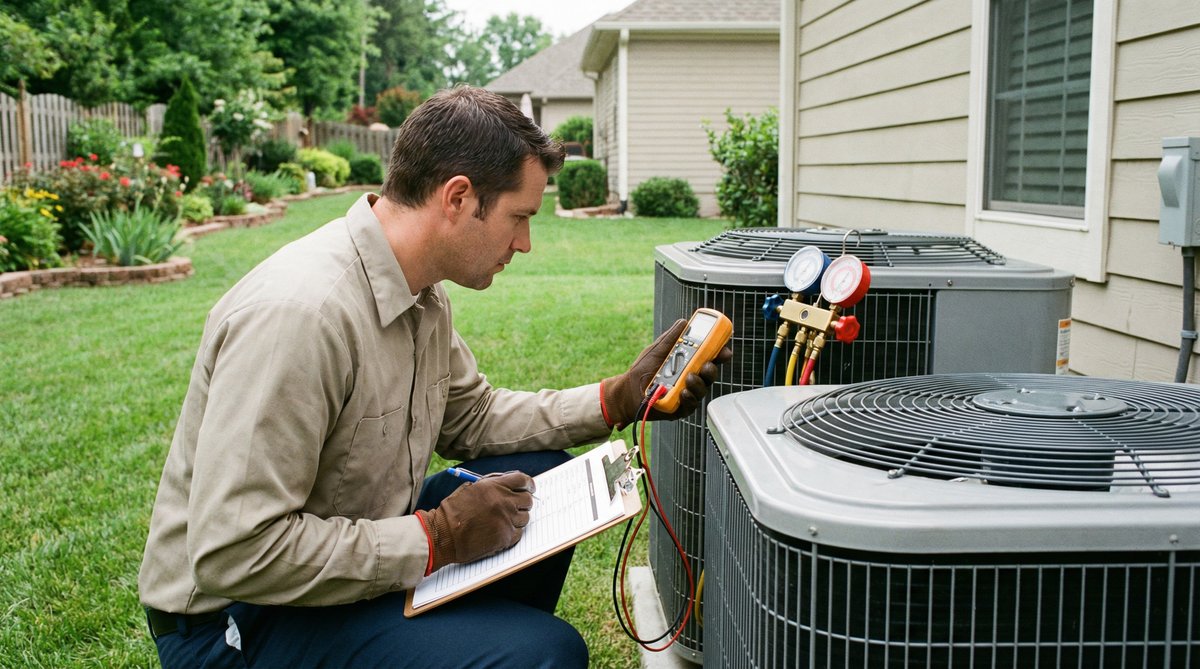
How to Lubricate HVAC Motors and Bearings Properly: A Professional Guide
Maintaining your HVAC system is about more than just changing filters; it is about ensuring that the mechanical heart of your unit—the motors and bearings—runs with minimal friction. Proper lubrication is a critical maintenance task that can extend the life of your blower motors and condenser fans by years, yet it is often misunderstood or overlooked by homeowners and novice technicians alike. In this guide, we will explore the professional methods for identifying, cleaning, and lubricating HVAC components to ensure peak performance and whisper-quiet operation.
Understanding the Two Main Types of HVAC Bearings
Before you reach for an oil can, you must determine if your motor is even designed for manual lubrication. Modern HVAC engineering has shifted toward components that require less frequent intervention, leading to two distinct categories of bearing systems. Attempting to lubricate a component that is not designed for it can lead to catastrophic motor failure.
| Bearing Type | Characteristics | Maintenance Requirement |
|---|---|---|
| Sealed Bearings | Common in units manufactured after 1990; "permanently lubricated" from the factory. | None. These are designed to be replaced, not serviced. Adding oil can damage the internal seals. |
| Non-Sealed (Oiler Ports) | Found on older or heavy-duty industrial motors; features small caps or plugs near the shaft. | Annual Lubrication. Requires 2-3 drops of specific electric motor oil to prevent metal-on-metal wear. |
"Most modern HVAC systems utilize permanently lubricated motors. If you see a smooth metal casing with no visible ports, do not attempt to force oil into the motor windings, as this will likely cause an electrical short." [1]
Signs Your HVAC Motor Needs Lubrication
Your HVAC system will often signal for help before a total mechanical breakdown occurs. Recognizing these early warning signs can save you from the high cost of a full motor replacement, which can range from $400 to $1,500 depending on the unit's complexity.
- Audible Distress: High-pitched squealing, chirping, or grinding noises are the most common indicators that the factory lubricant has dried out or become contaminated with dust.
- Increased Heat: If the motor housing is too hot to touch, it is likely struggling against internal friction. Excessive heat is the primary killer of motor windings.
- Sluggish Performance: A motor that takes several seconds to reach full speed or produces reduced airflow may be experiencing "bearing drag."
- Higher Energy Bills: When bearings are unlubricated, the motor must draw more amperage to overcome friction, leading to a noticeable spike in monthly utility costs.
Alt text: A professional HVAC technician inspecting a furnace blower motor to locate the oil ports for annual maintenance.

The Professional Lubrication Process: Step-by-Step
If you have confirmed that your motor has oiler ports, follow this professional protocol to ensure the job is done safely and effectively.
Step 1: Safety First
Never work on a live HVAC system. Turn off the power at the thermostat and, more importantly, at the dedicated circuit breaker in your electrical panel. Use a non-contact voltage tester to confirm the power is truly off before touching the motor.
Step 2: Access the Motor
For indoor units, you will need to remove the blower compartment panel. For outdoor condenser units, you may need to remove the top grille to access the fan motor. Be careful not to strain the electrical wires connected to the motor during this process.
Step 3: Clean the Ports
Use a clean rag to wipe away any dust or grease from the oil port caps. If dirt enters the port along with the oil, it creates an abrasive paste that will destroy the bearings faster than no oil at all.
Step 4: Apply the Correct Lubricant
Remove the caps and apply 2 to 3 drops of high-quality SAE 10 or SAE 20 non-detergent electric motor oil into each port. Most motors have two ports—one at the front near the shaft and one at the rear.
Step 5: Final Inspection and Reassembly
Replace the port caps securely and wipe away any excess oil. Spin the fan blade or blower wheel by hand to help distribute the oil. Reinstall the panels and restore power after waiting approximately 30 minutes for the oil to fully penetrate the bearing surfaces.
Alt text: Close-up of a technician using a telescoping oiler to apply non-detergent oil to a motor port.

Choosing the Right Lubricant: What to Use and What to Avoid
Using the wrong fluid is the most common mistake in HVAC maintenance. The internal tolerances of motor bearings require a specific viscosity and chemical composition to function at high RPMs.
- Recommended: SAE 10 or SAE 20 non-detergent oil (often labeled as "Electric Motor Oil"). ISO 32 turbine oil is also a professional-grade choice for high-temperature environments.
- Avoid WD-40: This is a solvent and water displacer, not a long-term lubricant. It will actually strip away any remaining grease and cause the bearing to seize.
- Avoid Automotive Oil: Standard car oil contains detergents designed to keep internal combustion engines clean; these chemicals can damage the delicate insulation on electric motor windings.
Professional Maintenance Checklist
To keep your system running efficiently, incorporate these checks into your annual routine:
* [ ] Check for "sealed for life" labels before oiling.
* [ ] Inspect the blower wheel for dust buildup (which causes imbalance).
* [ ] Verify that the motor mounting bolts are tight.
* [ ] Ensure the HVAC capacitor replacement is not bulging or leaking.
* [ ] Listen for vibrations that could indicate a bent shaft.
Shop Blower Motors | Shop HVAC Lubricants
Frequently Asked Questions (FAQ)
Q: Can I use 3-IN-ONE oil on my HVAC motor?
A: Only if it is the "Blue Can" version specifically labeled for electric motors. The standard "Red Can" multi-purpose oil is too thin and contains additives that may not be suitable for high-speed HVAC bearings.
Q: How often should I lubricate my furnace blower?
A: For motors with oil ports, once per year is standard. If you live in a particularly dusty environment or run your system 24/7, a bi-annual check is recommended.
Q: What happens if I over-oil the motor?
A: Over-oiling is a major risk. Excess oil attracts dust, which can clog the motor's cooling vents or reach the electrical windings, potentially causing a fire or a short circuit. Stick to the "2-3 drops" rule.
Q: My motor is making noise but has no oil ports. What should I do?
A: This indicates that the internal sealed bearings have failed. In this case, the entire motor or the bearing assembly must be replaced by a professional.
Contact the Experts
If you are unsure about your motor type or if the noise persists after lubrication, don't risk a costly breakdown. Our team of certified technicians is ready to help you maintain your system for years of reliable service.
HVAC Pro Sales & Support
Email: support@hvacprosales.com
Phone: 1-866-330-1709
Schedule a Service Call
References
[1] How to Lubricate Furnace Fan Bearings - Admiral Plumbing, Heating & Cooling
[2] Electric Motor Bearing Lubrication Guide - Mobil Industrial Lubricants