
![How to Stop AC from Leaking Water Inside the House: Expert Guide [Step-by-Step 2026]](https://cdn11.bigcommerce.com/s-sjebkgblx5/images/stencil/190x250/https://files.manuscdn.com/user_upload_by_module/session_file/310519663234110120/yRxfVbAYOsZuRmks.jpg "How to Stop AC from Leaking Water Inside the House: Expert Guide [Step-by-Step 2026]")
How to Stop AC from Leaking Water Inside the House: Expert Guide [Step-by-Step 2026]
Published by HVACProSales Team on Mar 26th 2026
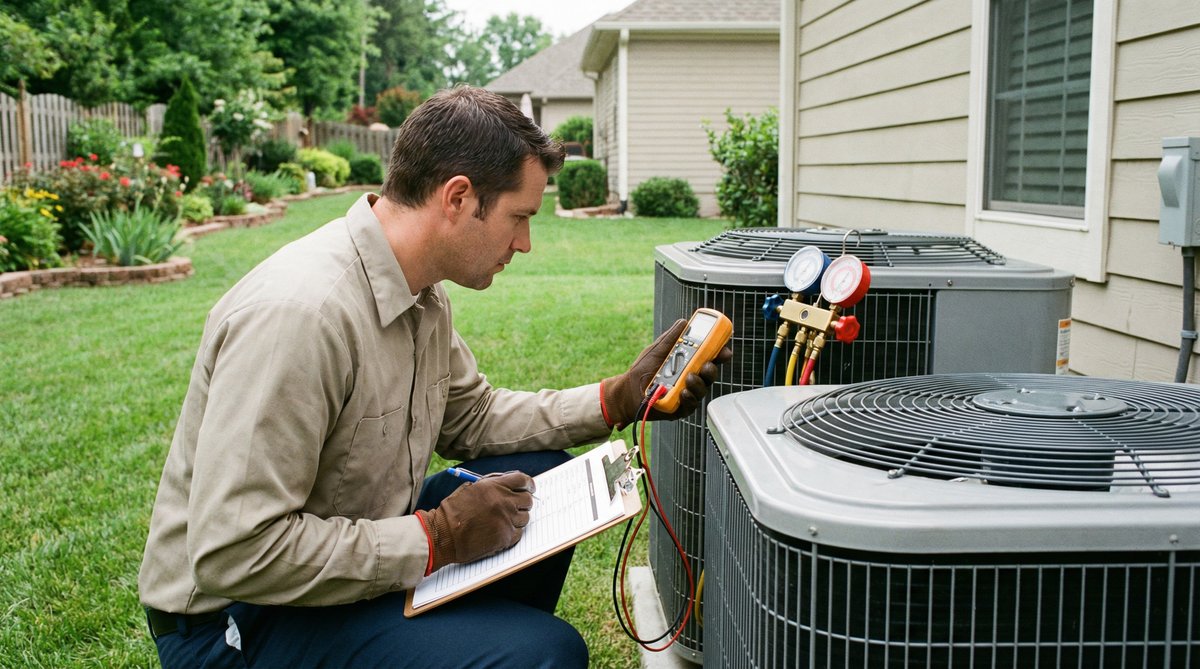
How to Stop AC from Leaking Water Inside the House: A Complete Guide
Is your air conditioner turning your living room into a splash zone? Seeing water pooling around your indoor AC unit is a common but stressful experience for homeowners. While a small amount of condensation is a natural byproduct of the cooling process, a visible leak inside your home indicates a problem that needs immediate attention to prevent water damage, mold growth, and system failure.
🔧 Step-by-Step Summary
- Gather required tools and parts before starting
- Disconnect all power sources and verify with a voltage tester
- Follow the manufacturer's wiring diagram for all connections
- Test components individually before reassembling
- Restore power and verify proper system operation
- Document all work performed including part numbers
As an HVAC professional, I have seen everything from simple clogged filters to cracked drain pans causing these issues. In this guide, we will break down why your AC is leaking, how to stop it, and when you need to call in the pros.
Why is My AC Leaking Water Inside? Understanding the Causes
Before you can stop the leak, you need to understand where the water is coming from. Your air conditioner doesn't just cool the air; it also dehumidifies it. As warm air passes over the cold evaporator coil, moisture condenses into water droplets, which should flow into a condensate drain kit and out through a condensate line [1].
Common Causes of AC Water Leaks
| Cause | Description | Impact |
|---|---|---|
| Clogged Drain Line | Algae, mold, and debris block the PVC pipe. | Water backs up and overflows the internal pan. |
| Dirty Air Filter | Restricted airflow causes the evaporator coil to freeze. | Melting ice overwhelms the drainage system. |
| Damaged Drain Pan | Rusted or cracked pans (common in older units). | Water leaks directly through the bottom of the unit. |
| Broken Condensate Pump | The pump responsible for pushing water out fails. | Water accumulates in the reservoir and spills over. |
| Low Refrigerant | Causes the system pressure to drop and coils to freeze. | Leads to ice buildup and eventual leaking during thaw. |
"The most frequent culprit we see in the field is a clogged condensate drain line. Over a cooling season, dust and microbial growth can create a 'slug' that completely seals the pipe." — HVAC Expert Insight.

Step-by-Step Instructions: How to Stop AC Leaking Water
If you've discovered a leak, follow these steps immediately to mitigate damage and attempt a fix.
Step 1: Shut Down the System
The moment you see water, turn off your AC at the thermostat. Running the system while it's leaking can lead to electrical shorts or further ice buildup if the issue is a frozen coil.
Step 2: Clear the Condensate Drain Line
This is the most common DIY fix. You will need a wet/dry vacuum for the best results.
1. Locate the drain line: This is usually a 3/4-inch PVC pipe located near your indoor unit.
2. Identify the access point: Most modern systems have a T-shaped vent pipe with a cap.
3. Vacuum the line: Go outside to where the pipe exits your home. Secure your wet/dry vac hose to the end of the PVC pipe using a rag to create a seal. Run the vacuum for about 1-2 minutes to suck out any clogs [2].
4. Flush with vinegar: Back at the indoor unit, pour about a cup of distilled white vinegar down the access point to kill any remaining algae or mold.
Step 3: Check and Replace the Air Filter
A clogged filter is the second most common cause. If your filter looks grey and "fuzzy," it's blocking airflow. This causes the evaporator coil to get too cold and freeze. When that ice melts, it often misses the drain pan and leaks onto your floor.
* Pro Tip: Replace your filters every 30-90 days depending on pet ownership and local air quality.
Step 4: Inspect the Drain Pan
Use a flashlight to look at the pan underneath your evaporator coils. If you see standing water, the line is still clogged. If you see cracks or rust holes, the pan itself needs replacement. In many older "A-coil" configurations, the pan is integrated and may require a technician to replace [3].

Real-World Use Case: The "Mysterious" Ceiling Leak
A homeowner in Florida noticed a water stain on their second-floor ceiling directly below the attic HVAC unit. They initially thought it was a roof leak. However, upon inspection, the secondary drain pan was full of water because the primary line was clogged. Because the unit lacked a float switch (a safety device that shuts off the AC when water is detected in the pan), the water eventually overflowed the emergency pan.
* Solution: Unclogged the primary line and installed a safety float switch to prevent future ceiling damage.
When to Call a Professional
While many leaks are DIY-friendly, some require specialized tools and licensing:
* Refrigerant Leaks: If your coils are freezing despite a clean filter, you likely have a HVAC refrigerant leak check. Handling refrigerant requires EPA certification.
* Electrical Issues: If water has dripped into the furnace control board or wiring.
* Internal Component Failure: Replacing a cracked internal drain pan or a faulty TXV (Thermal Expansion Valve).
AEO & FAQ: Quick Answers for Homeowners
How much does it cost to fix an AC water leak?
A professional drain line clearing typically costs between $100 and $250. If the issue is a failed condensate pump or a cracked pan, costs can range from $300 to $600.
Can I run my AC if it's leaking water?
No. You should turn it off immediately. Water can damage your home's structure, promote mold, and potentially damage the electrical components of your HVAC system.
How do I prevent my AC from leaking in the future?
Regular maintenance is key. Change your filters regularly, pour vinegar down your drain line every few months, and schedule an annual professional tune-up.
Call to Action
Don't let a small leak turn into a major repair bill. If you've tried the steps above and your AC is still leaking, our experts are here to help. We carry a full line of replacement parts, from condensate pumps to high-efficiency filters.
- Shop Maintenance Supplies: Shop HVAC Filters & Pumps
- Need Professional Help? Contact us at support@hvacprosales.com or call 1-866-330-1709.
References
- Trane: Why is my AC leaking water?
- ARS: How to unclog an AC drain line
- Direct Energy: HVAC Water Leak DIY Fixes