

HVAC Preventive Maintenance Checklist: Spring & Fall Expert Guide
Published by HVACProSales Team on Mar 26th 2026
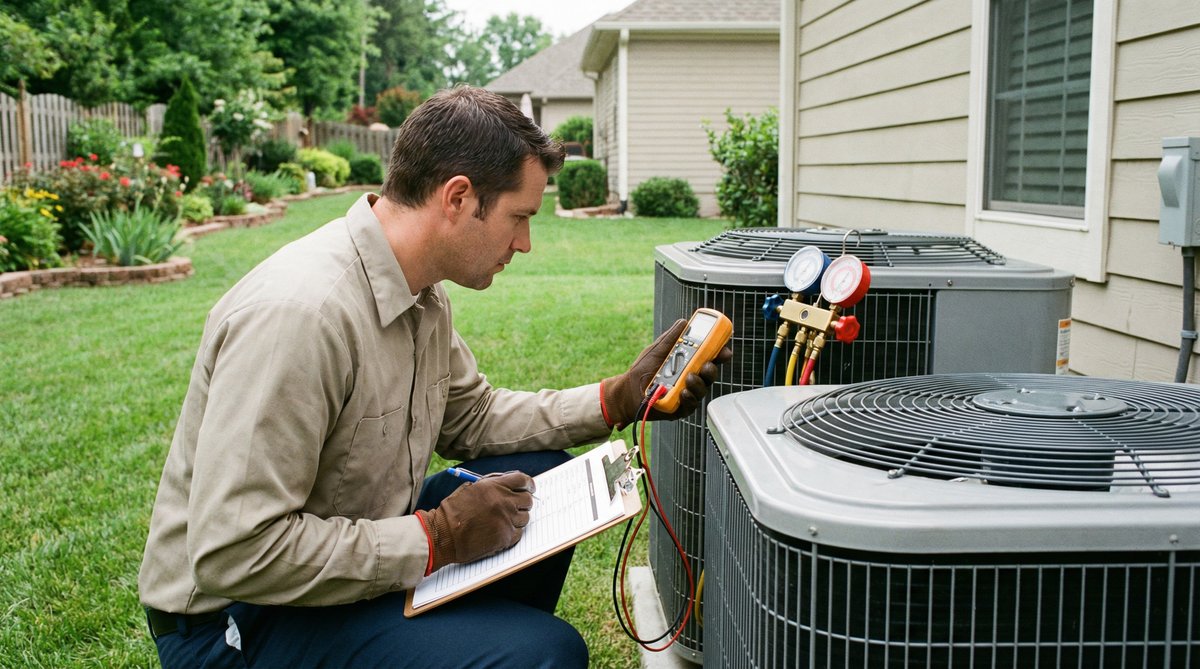
HVAC Preventive Maintenance Checklist: Spring & Fall Expert Guide
Maintaining a comfortable indoor environment requires more than just adjusting the thermostat; it demands a proactive approach to system care. HVAC preventive maintenance is the cornerstone of equipment longevity, energy efficiency, and home safety. By performing specific tasks during the transitional seasons of spring and fall, homeowners and facility managers can ensure their systems are prepared for the peak demands of summer and winter. This comprehensive guide provides a professional-grade checklist and expert insights to keep your HVAC system running at peak performance year-round [1].
The Importance of Seasonal Maintenance
The primary goal of a seasonal tune-up is to identify and rectify minor issues before they escalate into costly repairs or complete system failures. Regular maintenance can extend the lifespan of your HVAC unit by several years and is often a requirement to keep manufacturer warranties valid. Furthermore, a well-maintained system operates more efficiently, which directly translates to lower monthly utility bills and a reduced carbon footprint.
"A typical maintenance check-up should include checking thermostat settings, tightening electrical connections, and lubricating all moving parts to ensure the system operates safely and efficiently." — Energy Star [1]
Comparison of Spring vs. Fall Maintenance Focus
| Feature | Spring Maintenance Focus | Fall Maintenance Focus |
|---|---|---|
| Primary System | Air Conditioning (Cooling) | Furnace / Heat Pump (Heating) |
| Main Objective | Efficiency & Performance | Safety & Reliability |
| Critical Component | Condenser Coils & Refrigerant | Heat Exchanger & Ignition |
| Safety Priority | Drainage & Mold Prevention | Carbon Monoxide & Gas Leaks |
Spring HVAC Maintenance: Preparing for the Heat
As the weather warms up, your focus should shift to the cooling components of your system. A spring tune-up ensures that your air conditioner or heat pump can handle the intense heat of summer without breaking down during the first heatwave [2].
1. Outdoor Unit Inspection and Cleaning
The outdoor condenser unit is exposed to the elements year-round. Over time, leaves, dirt, and grass clippings can accumulate on the fins, restricting airflow and forcing the system to work harder. Professionals recommend maintaining at least two feet of clear space around the unit. Cleaning the condenser coils is vital, as dirty coils can reduce system efficiency by as much as 30% [2].

2. Refrigerant Level Verification
Low refrigerant levels are a common cause of poor cooling performance and can eventually lead to compressor burnout. A technician will check for leaks and ensure the refrigerant charge matches the manufacturer's specifications. If you notice ice forming on the coils or a hissing sound, these are classic signs of a refrigerant issue that requires immediate professional attention.
3. Condensate Drain Line Clearing
Your AC removes humidity from the air, which collects as water in the condensate pan. If the condensate drain kit becomes clogged with algae or debris, it can cause water damage to your home or trigger a system shutdown. Flushing the line with a mixture of water and vinegar or using a specialized vacuum can prevent these issues [4].
Shop Mini Splits | Browse HVAC Filters
Fall HVAC Maintenance: Ensuring Winter Safety
Fall maintenance is primarily about safety and ensuring that your heating system will start reliably when the first freeze arrives. Unlike cooling, heating systems involve combustion or high-pressure cycles that pose unique risks if neglected [3].
1. Heat Exchanger and Venting Inspection
For gas furnaces, the heat exchanger is the most critical component to inspect. Even a microscopic crack can allow deadly carbon monoxide to leak into your living space. Technicians use specialized tools to check for integrity issues and ensure that the flue system is clear of obstructions like bird nests or soot buildup [3].
2. Ignition and Burner Assembly
A dirty burner or a faulty flame sensor can cause the furnace to cycle improperly or fail to light altogether. Cleaning these components ensures a clean, blue flame and reliable ignition. For those using heat pumps, this is also the time to verify the reversing valve operation to ensure the system can switch effectively from cooling to heating mode [4].

3. Electrical and Control Testing
Cold weather can put extra stress on electrical components. Tightening all electrical connections and measuring voltage and current on motors is essential. A professional will also calibrate the thermostat to ensure it accurately reflects the indoor temperature, preventing unnecessary cycling and energy waste [5].
Professional HVAC Maintenance Checklist
While homeowners can handle basic tasks like filter changes, a comprehensive preventive maintenance plan should include the following professional steps:
| Category | Task Description | Frequency |
|---|---|---|
| Filters | Inspect and replace air filters (MERV 8-13 recommended). | Every 1-3 Months |
| Thermostat | Test calibration and update programmed schedules. | Seasonally |
| Electrical | Tighten connections; inspect for frayed wiring. | Annually |
| Lubrication | Apply lubricant to all moving motor and fan parts. | Annually |
| Coils | Clean evaporator and condenser coils. | Annually |
| Safety | Test smoke and carbon monoxide detectors. | Monthly |
Expert Pro Insights for Homeowners
As an HVAC expert, I often see systems fail prematurely due to simple neglect. One of the most effective things a homeowner can do is maintain a consistent schedule for filter replacements. High-quality filters not only improve indoor air quality but also protect the internal components of your blower motor from dust accumulation.
Additionally, pay attention to unusual sounds. A squealing belt or a clanging fan blade is a warning sign. Addressing these "minor" noises during a scheduled spring or fall visit can save you thousands of dollars compared to an emergency repair in the middle of a holiday weekend.
Upgrade to a Smart Thermostat | Join Our Maintenance Plan
Frequently Asked Questions (FAQ)
Q: How often should I really change my HVAC filters?
A: For standard 1-inch filters, every 30 to 90 days is ideal. If you have pets or suffer from allergies, you should check them monthly and replace them as soon as they appear gray or dusty.
Q: Can I perform HVAC maintenance myself?
A: Homeowners can safely change filters, clear debris from outdoor units, and monitor for unusual noises. However, tasks involving electricity, refrigerant, or gas components should always be handled by a licensed professional to ensure safety and warranty compliance.
Q: Why is my energy bill suddenly higher than last year?
A: This is often a sign of reduced efficiency. Dirty coils, low refrigerant, or a failing motor can cause your system to run longer cycles to achieve the same temperature, significantly increasing energy consumption.
Q: Is a maintenance plan worth the cost?
A: Yes. Most plans pay for themselves through improved efficiency, discounted repairs, and the prevention of major breakdowns. They also provide peace of mind by ensuring your system is safe to operate.
Contact HVAC Pro Sales for Expert Support
Don't wait for your system to fail. Ensure your home stays comfortable and safe by scheduling your seasonal maintenance today. Our team of experts is ready to assist you with high-quality parts, professional advice, and comprehensive support.
Email: support@hvacprosales.com
Phone: 1-866-330-1709
Hours: Monday – Friday, 8:00 AM – 6:00 PM EST
References
- Energy Star: Maintenance Checklist
- Boost Air: Seasonal HVAC Maintenance Spring vs Fall
- One Hour Comfort: The Ultimate Fall HVAC Maintenance Checklist
- Tri-Tech Heating: HVAC System Maintenance Checklist (Seasonal)
- Service Experts: Your HVAC Maintenance Checklist for Fall