

Why Is My AC Blowing Warm Air? HVAC Diagnosis & Fixes Guide
Published by HVACProSales Team on Mar 26th 2026
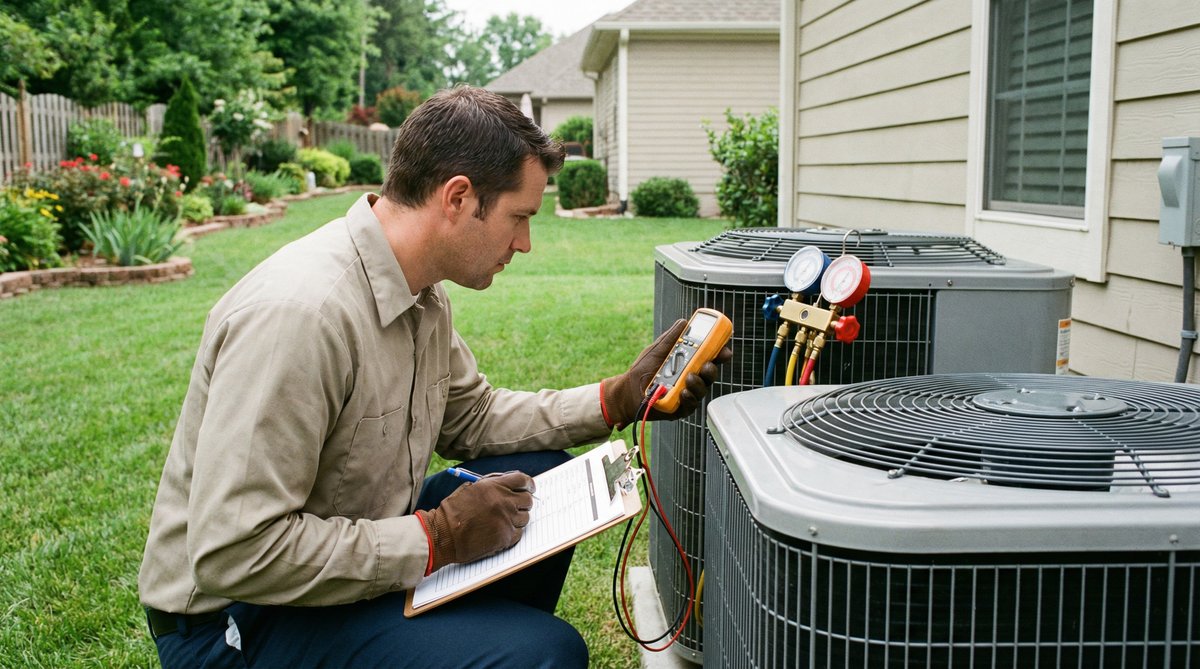
Why Is My AC Blowing Warm Air? HVAC Diagnosis Guide
Nothing is more frustrating than turning on your air conditioner during a heatwave only to find it blowing warm air. As a homeowner, your first instinct might be to panic about a costly replacement, but the reality is that many causes for warm air are simple fixes that you can troubleshoot yourself. This comprehensive guide, written from the perspective of a professional HVAC contractor, will walk you through the most common reasons your AC is blowing warm air, how to diagnose the problem, and when it is time to call in the pros.
The Immediate Checklist: Start with the Basics
Before diving into complex mechanical issues, it is essential to rule out the simplest explanations. Often, the reason for warm air is a setting or a minor maintenance task that has been overlooked.
1. Check Your Thermostat Settings
It sounds elementary, but the thermostat is the most common culprit for "warm air" complaints. Ensure that your thermostat is set to "Cool" and that the temperature setting is at least five degrees below the current room temperature [14] [15].
One critical distinction is the "Fan" setting. If your thermostat is set to "On" rather than "Auto," the blower motor will run continuously even when the cooling cycle is not active. This results in the system blowing unconditioned, room-temperature air through your vents, which can feel warm compared to the chilled air you expect. Always keep your thermostat set to "Auto" to ensure the fan only runs when the system is actively cooling.
2. Inspect Your Air Filter
A clogged air filter is the root cause of numerous HVAC problems. When a filter is heavily layered with dust and debris, it restricts airflow to the evaporator coil. This restriction can cause the coil to freeze over, which ironically leads to the system blowing warm air because the heat exchange process is halted [2] [4].
"A dirty air filter is the single most common cause of avoidable HVAC repairs. By restricting airflow, you force your system to work harder, increasing wear and tear on the compressor and blower motor." — HVAC Industry Standard.
| Feature | Healthy Filter | Clogged Filter |
|---|---|---|
| Airflow | High/Unrestricted | Low/Restricted |
| System Strain | Normal | High (leads to overheating) |
| Energy Efficiency | Optimal | Poor (higher utility bills) |
| Air Quality | Good | Poor (recirculates dust) |
Intermediate Troubleshooting: Power and Airflow Issues
If your thermostat and filter are in good shape, the next step is to look at the physical components of your HVAC system, specifically the outdoor condenser unit.
3. The Outdoor Unit Power Supply
Your air conditioning system consists of two main parts: the indoor air handler and the outdoor condenser. If the indoor unit is running but the outdoor unit has lost power, your vents will blow warm air because the refrigerant is not being compressed and cooled.
Check your electrical panel for a tripped breaker and inspect the outdoor disconnect switch near the condenser unit [6]. If the breaker has tripped, you can reset it once, but if it trips again immediately, do not force it. A recurring trip indicates a serious electrical fault or a failing compressor that requires professional attention.
4. Dirty or Obstructed Condenser Coils
The outdoor unit’s job is to release the heat collected from inside your home into the outside air. If the condenser coils are covered in dirt, grass clippings, or surrounded by overgrown vegetation, they cannot shed heat effectively [5] [11]. This causes the system to struggle and eventually blow warmer air as the refrigerant remains hot.
Pro Tip: Maintain at least two feet of clear space around your outdoor unit. Use a garden hose (on low pressure) to gently rinse away dirt and debris from the fins of the condenser unit at least once a season.
Advanced Diagnosis: Mechanical and Refrigerant Failures
When the basics are covered and the system is still blowing warm air, the problem likely lies within the sealed refrigerant system or the mechanical heart of the AC.
5. Low Refrigerant Levels or Leaks
Refrigerant is the lifeblood of your AC system. It is not "used up" like fuel; it circulates in a closed loop. If your system is low on refrigerant, it means there is a leak [1] [3].
Symptoms of a HVAC refrigerant leak check include:
- Hissing or bubbling noises near the AC unit.
- Ice buildup on the refrigerant lines or the evaporator coil.
- The system runs constantly without reaching the set temperature.
Warning: Handling refrigerant requires a Section 608 certification from the EPA. If you suspect a leak, do not attempt to "top it off" yourself. A professional must locate the leak, repair it, and then recharge the system to the manufacturer's exact specifications [8].
6. Faulty Compressor
The compressor is the most expensive and critical component of your air conditioner. It is responsible for circulating refrigerant between the indoor and outdoor units. If the compressor fails or is struggling to start (often due to a failing HVAC capacitor replacement), the cooling process stops entirely [5] [10].
| Component | Function | Failure Symptom |
|---|---|---|
| Compressor | Pumps refrigerant | Loud humming, no cooling |
| Capacitor | Starts the motor | Fan or compressor won't kick on |
| Contactor | Electrical switch | Unit won't turn on/off |
Shop Mini Splits | Browse Replacement Parts
Pro Insights: When to Call an HVAC Expert
While some troubleshooting can be done by a homeowner, many HVAC problems are complex and require specialized tools and training. If you have checked your thermostat, air filter, and outdoor power but still have warm air blowing, it is time to call a professional technician.
7. Evaporator Coil Issues
The indoor evaporator coil absorbs heat from your home's air. If it is dirty or frozen, it cannot perform this heat exchange. A technician will use specialized cleaning agents to remove dirt and mold buildup from the coil's fins [5]. If the coil is frozen, they will investigate the root cause, whether it is low airflow or a refrigerant leak.
8. Ductwork Leaks or Disconnections
In some cases, your AC system is working perfectly, but the cooled air is not reaching your vents. If your ductwork has significant leaks or has become disconnected in an unconditioned attic or crawlspace, the cool air escapes before it gets to your living areas. You may feel warm air simply because the ducts are pulling in hot attic air [8].
Real-World Use Case: The "Ice Block" Scenario
A common scenario we see in the field is a homeowner who notices warm air and thinks, "If I turn the thermostat down even lower, it will work harder." Unfortunately, if the cause is a dirty filter or low refrigerant, the system will run until the evaporator coil becomes a solid block of ice.
Solution: If you see ice on your indoor unit or the outdoor refrigerant lines, turn off the cooling immediately. Switch the thermostat to "Fan Only" to help the ice melt and call a technician. Running a frozen system can cause the compressor to fail permanently.
Pro-Active Maintenance: Preventing Warm Air Issues
The best way to avoid the frustration of warm air is through preventative maintenance. A bi-annual HVAC tune-up ensures that your system is cleaned, your refrigerant levels are checked, and any potential issues are caught before they leave you in the heat.
| Maintenance Task | Frequency | DIY or Pro? |
|---|---|---|
| Change Air Filter | Every 1-3 Months | DIY |
| Clean Outdoor Unit | Every 6 Months | DIY |
| Refrigerant Check | Annually | Pro |
| Electrical Inspection | Annually | Pro |
Call to Action: Get Your Cool Back Today
Don't suffer through the heat with an AC that isn't performing. If you need professional assistance, replacement parts, or a new system altogether, we are here to help.
- Contact Support: support@hvacprosales.com
- Call Us: 1-866-330-1709
- Shop HVAC Solutions: Shop All Products
Frequently Asked Questions (FAQ)
Q: Can a dirty air filter really cause my AC to blow warm air?
A: Yes. A dirty filter restricts airflow, which can cause the evaporator coil to freeze. When the coil is frozen, it cannot absorb heat from your home, resulting in warm air blowing from your vents.
Q: Why is my AC blowing warm air at night but cool during the day?
A: This is often a sign of a failing compressor or a HVAC capacitor that is struggling to start under certain conditions. It could also be related to a thermostat programming issue. A professional diagnostic is recommended.
Q: How long does it take for an AC to start blowing cold air after turning it on?
A: Most systems should begin blowing noticeably cooler air within 3 to 5 minutes. If it takes longer or the air remains warm after 10 minutes, there is likely an issue with the cooling cycle.
Q: Is it safe to run my AC if it's blowing warm air?
A: It is generally not recommended. If the system is blowing warm air due to a mechanical failure or a refrigerant leak, continuing to run it can cause further damage to the compressor, leading to much more expensive repairs.
References
[1] Why Is My AC Blowing Hot Air? 8 Reasons
[2] Carrier: Six Possible Reasons For An Air Conditioner Blowing Warm Air
[3] MR. HVAC: Why Is My AC Blowing Hot Air?
[4] First Co: Troubleshoot Your HVAC Blowing Warm Air
[5] Jon Wayne: Why Is My AC Blowing Hot Air?
[6] Carrier Ohio: Common Reasons Your AC Is Blowing Warm Air
[8] Energy.gov: Common Air Conditioner Problems
[10] Mechanical One: Common Causes of an AC Unit Blowing Hot Air
[11] Roger L. Newman: Why Your AC Is Blowing Warm Air
[14] Care Heating & Cooling: AC Blowing Warm Air? Essential Fixes Guide
[15] American Home Shield: What to Do When Your AC Is Blowing Warm Air