
There are no products listed under this category.
Heat Recovery Ventilators (HRV)
Balanced Ventilation • Heat Transfer (No Moisture Transfer)
Heat Recovery Ventilators (HRV)
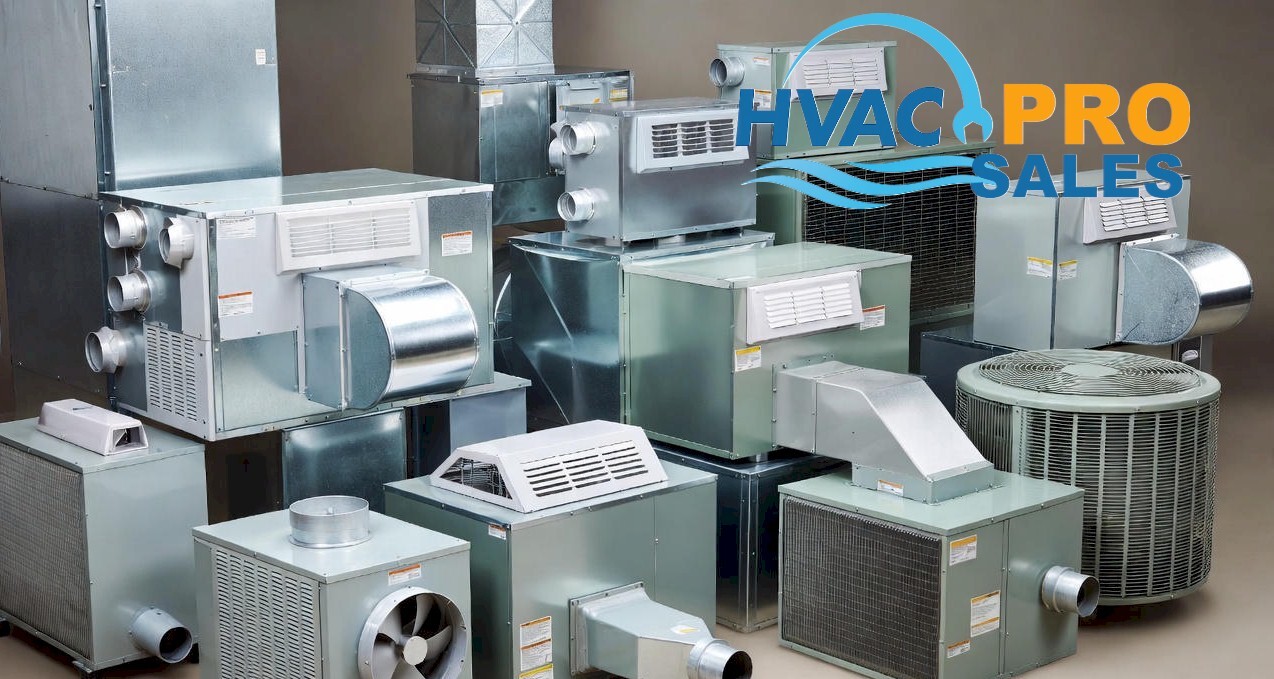
A Heat Recovery Ventilator (HRV) provides balanced ventilation by bringing in fresh outdoor air and exhausting stale indoor air while transferring heat between the two air streams. Unlike an ERV, an HRV typically does not transfer moisture—making it a strong choice for colder or drier climates where humidity control is less of a concern.
HRVs help reduce indoor pollutants, odors, and stuffiness in tighter buildings while minimizing energy loss from ventilation. When properly sized and installed, HRVs support consistent comfort, healthier indoor air, and better overall system performance.
- Compare airflow (CFM) for square footage, occupancy, and code requirements
- Best fit for cold/dry regions where moisture transfer isn’t desired
- Choose ducting method: dedicated ducts vs HVAC integration (when allowed)
- Confirm filtration and maintenance access for long-term reliability
If your home feels stale in winter, ventilation is often the missing piece. An HRV can provide steady fresh air without dumping heated indoor air directly outside.
Pro tip: Use proper balancing during commissioning. An HRV that isn’t balanced can create pressure issues, drafts, and reduced real-world airflow.
Related Ventilation & Humidity Solutions
Energy Recovery Ventilators (ERV) Balanced ventilation with heat + moisture transfer—often best in humid climates. Whole-House Dehumidifiers Consistent ducted humidity control—ideal when indoor RH stays high. Bathroom Exhaust Fans Remove moisture at the source to reduce mold risk and odors.
Heat Recovery Ventilators for fresh air ventilation
Heat recovery ventilators (HRV) provide balanced ventilation by exchanging indoor and outdoor air while transferring heat. Compare airflow CFM, ducting options, filtration, and installation requirements. HRVs are often ideal for colder or drier climates to improve indoor air quality and comfort efficiently.