
-

Value Collection
SKU: C250B
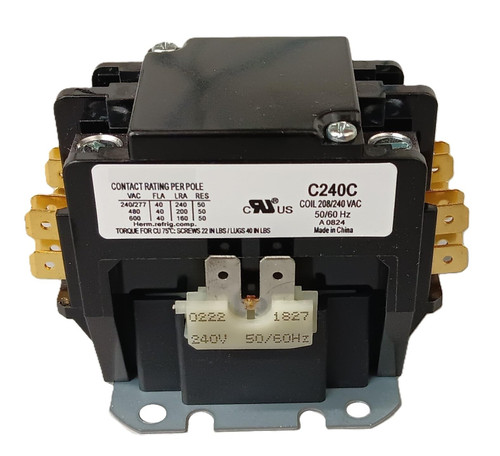
Value Collection 50A 24V Coil Double Pole HVAC Contactor – Commercial Replacement – Fast Ship
$26.99 -
Value Collection
SKU: C230B
Value Collection 30A 24V Coil Double Pole HVAC Contactor – OEM Replacement – Fast Ship
$19.99 -

Value Collection
SKU: C240B
Value Collection 40A 24V Coil Double Pole HVAC Contactor – OEM Replacement – Fast Ship
$22.99 -

Value Collection
SKU: C140B
Value Collection 40A 24V Coil Single Pole HVAC Contactor – OEM Replacement – Fast Ship
$18.99 -
White-Rodgers
SKU: 07 67A365S1
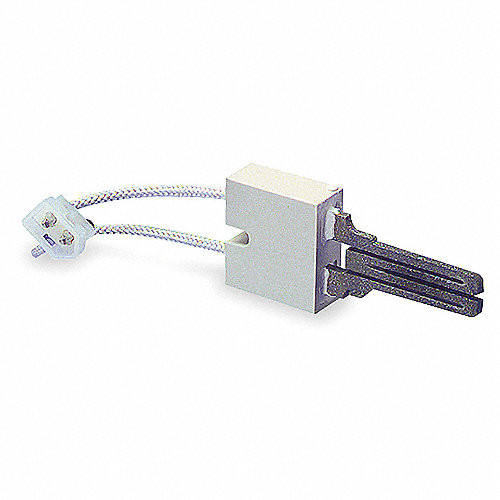
White-Rodgers HVAC Contactor, 24V Coil, 2-Pole, 40A, Air Conditioner Contactor
$36.94 -
White-Rodgers
SKU: 07 67A361S1
White-Rodgers HVAC Contactor, 24V Coil, 2-Pole, 30A, Air Conditioner Contactor
$30.16
Contactors
(Showing 6 of 6)
Heavy-Duty Motor Switching Controls
HVAC Contactors & Heavy-Duty Motor Starters
Source heavy-duty single-pole and double-pole contactors for compressors, condenser fans, and commercial motor loads. Engineered for high-inductive switching cycles, these electromagnetic motor starters protect compressor windings and condenser fan motors in residential, commercial, and industrial HVAC applications. Designed for licensed contractors and B2B procurement teams.
ⓘ
Procurement & Sourcing Notice
We help source heavy-duty HVAC contactors and motor starters from leading electrical component brands. Brand availability may vary by supplier, stock status, manufacturer policy, and product type. For OEM replacement contactor cross-referencing, contact us with your equipment model number, serial number, or existing contactor specifications.
Explore Sourcing Categories
Single-Pole Contactors
Designed to switch a single high-voltage leg to the compressor or condenser fan motor. Standard 24VAC coil, rated for 30-40 Amp compressor loads. Most common residential contactor.
Double-Pole Contactors
Switches both high-voltage legs simultaneously for complete circuit isolation of the compressor. Preferred for commercial applications and high-efficiency systems requiring full disconnection.
Heavy-Duty Commercial Contactors
High-cycle contactors rated for 40-75 Amp inductive motor loads. Designed for commercial rooftop units, chillers, and large condensing units with replaceable contact tips.
High-Cycle Electromagnetic Motor Switching & Compressor Protection
HVAC contactors are the primary high-current electromagnetic switching devices in air conditioning and refrigeration systems. Unlike a standard relay, a contactor is specifically engineered to handle the massive inrush current generated when a compressor motor starts — typically 4 to 6 times the Full-Load Amperage (FLA). This inrush event generates extreme arc energy across the contact tips, which is why contactors feature heavy-duty silver-alloy contact tips designed to withstand tens of thousands of high-current switching cycles before requiring replacement.
For B2B procurement, HVACProSales offers a comprehensive range of single-pole and double-pole contactors rated for 24VAC coil operation. When replacing a contactor in the field, technicians must verify the coil voltage (24VAC is standard for residential, 120VAC or 208/240VAC for some commercial applications), the contact amperage rating (FLA and LRA at the system voltage), and the number of poles. A single-pole contactor only breaks one side of the 240V circuit, while a double-pole contactor provides complete circuit isolation — a critical safety distinction for systems with lockout/tagout requirements. Always inspect contact tips for pitting, burning, or welding, which are the primary indicators of contactor failure.
B2B Sourcing Solutions
HVAC Technicians
Stock single-pole and double-pole 24V contactors to quickly resolve compressor no-start and contactor chatter callouts.
Facility Managers
Source heavy-duty commercial contactors with replaceable contact tips to maintain commercial rooftop unit reliability.
MRO Procurement
Bulk-source standardized 30A and 40A contactors to support multi-site commercial HVAC maintenance contracts.
Frequently Asked Questions
What is the difference between a single-pole and a double-pole contactor?
A single-pole contactor switches only one leg of the 240V power supply to the compressor, while the other leg remains permanently connected. A double-pole contactor switches both legs simultaneously, providing complete circuit isolation of the compressor. Double-pole contactors are preferred for commercial applications and any system requiring full electrical lockout/tagout compliance.
What causes an HVAC contactor to fail?
The most common causes of contactor failure are pitted or welded contact tips (from high-cycle arcing), a burned-out 24VAC coil (from control circuit voltage spikes or short circuits), and mechanical binding of the armature (from insect intrusion or debris). A contactor with welded contacts will prevent the compressor from shutting off, causing it to run continuously and overheat.
How do I check if a contactor is bad?
With power off, visually inspect the contact tips through the contact window — look for black pitting, burning, or a shiny 'welded' appearance. With power on and the thermostat calling for cooling, use a multimeter to verify 24VAC across the coil terminals. If 24VAC is present but the contactor is not pulling in, the coil is failed. If the contactor pulls in but voltage is not passing through the contacts, the tips are pitted or welded.
Need Help Finding the Right Control or Component?
Submit your equipment model number, serial number, or existing part specifications for rapid cross-referencing and quote support.
Explore Related Control Categories
HVACProSales • Doral, Florida • Nationwide Supply & Sourcing