Free Shipping on Select Items | Order by 3:00 PM ET for Same-Day Handling | Promotions & Seasonal Specials | (866) 330-1709

Ventilation Systems

(Showing 4 of 4)
FACILITY AIR EXCHANGE

Commercial Ventilation Systems & Fans

Source high-performance energy recovery ventilators (ERVs), heat recovery ventilators (HRVs), commercial exhaust fans, and fresh air intake systems for balanced facility air exchange.

ⓘ Sourcing & Availability Notice Product availability may vary by supplier, stock status, manufacturer policy, and product type. HVACProSales helps contractors, facility managers, and procurement teams source professional-grade products — we do not guarantee inventory or claim to be an authorized dealer for every brand. For OEM part lookup, model-specific sourcing, or bulk procurement requests, contact our procurement team with your model number, serial number, part number, or equipment label photo.

Procurement & Sourcing Notice

We help source commercial-grade ventilation systems, ERVs, HRVs, and exhaust equipment from leading HVAC manufacturers. Airflow requirements (CFM), static pressure, and electrical phases vary by model. Always consult with a licensed mechanical engineer to ensure compliance with ASHRAE 62.1 standards.

Explore Sourcing Categories

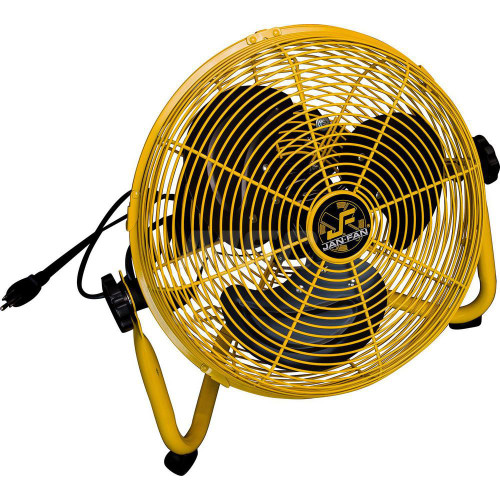
Industrial Circulation Fans

Heavy-duty industrial fans designed to improve air velocity, destratify warehouse temperatures, and enhance worker comfort in large spaces.

Browse Products

Exhaust Fans

Commercial rooftop and wall-mounted exhaust fans engineered to quickly remove stale air, moisture, and contaminants from facility interiors.

Browse Products

Humidifiers & Dehumidifiers

Moisture control equipment that works in tandem with fresh air ventilation systems to maintain stable relative humidity across all building zones.

Browse Products

Professional Sourcing Overview

Balanced ventilation is the cornerstone of modern, energy-efficient building design and indoor air quality. As buildings become more airtight to conserve energy, stale air, CO2, moisture, and VOCs can accumulate inside. Commercial ventilation systems, including Energy Recovery Ventilators (ERVs) and Heat Recovery Ventilators (HRVs), ensure a continuous supply of fresh, filtered outdoor air while exhausting stale indoor air, maintaining a healthy and pressurized building envelope.

ERVs and HRVs are engineered to minimize the energy penalty associated with bringing in outdoor air. By utilizing a high-efficiency rotary or plate heat exchanger, these systems transfer thermal energy (heat) and moisture between the incoming fresh airstream and the outgoing exhaust airstream. In the summer, hot and humid outdoor air is pre-cooled and dehumidified by the exhaust air; in the winter, cold outdoor air is pre-heated, significantly reducing the load on primary heating and cooling equipment.

Who We Serve

Mechanical Engineers

Design ASHRAE-compliant fresh air ventilation systems using high-efficiency commercial ERV and HRV specifications.

Warehouse Operations

Maintain safe indoor air quality and prevent temperature stratification in large industrial spaces with heavy-duty circulation fans.

Commercial Kitchens

Ensure proper building pressure balance and exhaust grease-laden vapors with high-CFM rooftop exhaust fans.

Technical Sourcing FAQs

Q: What is the difference between an ERV and an HRV?

A: Both systems transfer heat between the exhaust and intake airstreams. However, a Heat Recovery Ventilator (HRV) transfers sensible heat (temperature) only, making it ideal for dry climates. An Energy Recovery Ventilator (ERV) transfers both sensible heat and latent heat (moisture), helping control humidity by keeping moisture outside in summer and inside in winter.

Q: How does proper ventilation affect building pressurization?

A: If a building exhausts more air than it introduces (negative pressure), it will draw unconditioned air, dust, and moisture through gaps in windows and doors, leading to drafts and potential mold. If it introduces too much air (positive pressure), it can force moisture into wall cavities. Balanced ventilation systems maintain neutral or slightly positive pressure to protect the building envelope.

Q: What maintenance do commercial ERVs and HRVs require?

A: Routine maintenance includes checking and replacing intake and exhaust air filters every 3 to 6 months, vacuuming the energy recovery core annually to remove dust accumulation, inspecting blower motors and belts, and ensuring condensate drain lines are clear of blockages.

Need Help Finding a Specific Sizing, Rating, or Brand?

Contact our commercial procurement team for bulk ordering support, custom specifications, or multi-site facility supply contracts.

Related Sourcing Ecosystems
Compare