Free Shipping on Select Items | Order by 3:00 PM ET for Same-Day Handling | Promotions & Seasonal Specials | (866) 330-1709

Knee Pads

(Showing 13 of 13)
KNEE PROTECTION SOLUTIONS

Professional Knee Pads for HVAC Technicians

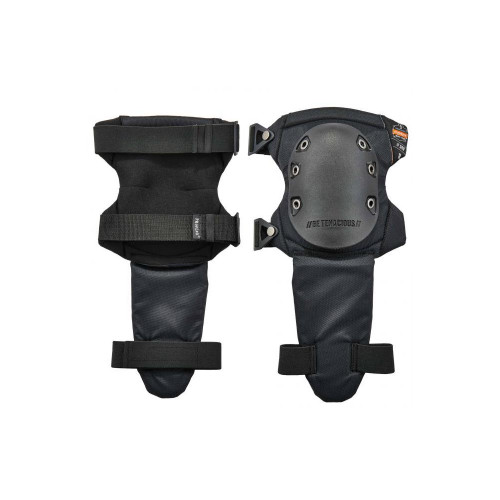
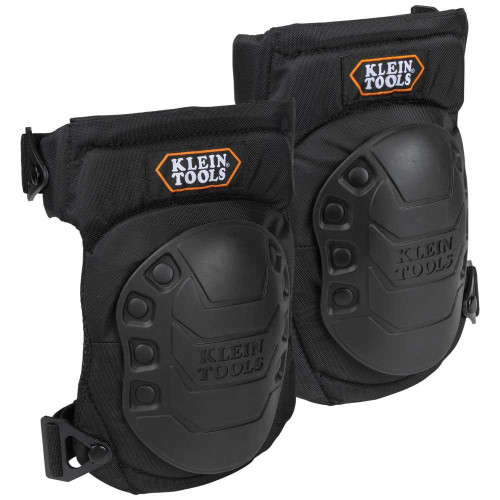
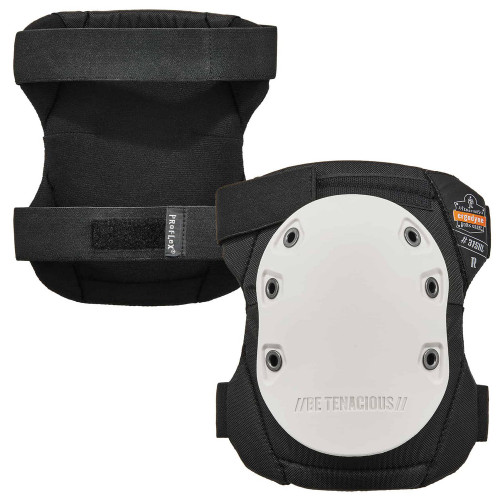
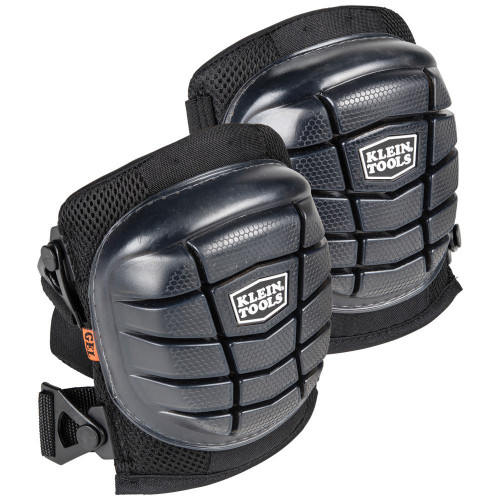
Source high-density foam, gel, and hard-cap knee pads engineered to protect technicians during extended kneeling on concrete, metal decking, and rough surfaces.

ⓘ Sourcing & Availability Notice Product availability may vary by supplier, stock status, manufacturer policy, and product type. HVACProSales helps contractors, facility managers, and procurement teams source professional-grade products — we do not guarantee inventory or claim to be an authorized dealer for every brand. For OEM part lookup, model-specific sourcing, or bulk procurement requests, contact our procurement team with your model number, serial number, part number, or equipment label photo.

Procurement & Sourcing Notice

We help source commercial-grade knee protection from leading safety manufacturers. Knee pad protection levels vary by model and construction material. We do not make absolute injury prevention claims; always select knee pads appropriate for the specific surface and duration of kneeling work.

Explore Sourcing Categories

Safety & PPE

The complete parent category for all jobsite protection, including safety glasses, gloves, respirators, and hearing protection.

Browse Products

Work Gloves

High-dexterity and cut-resistant gloves for sheet metal ductwork, refrigerant handling, and heavy equipment work.

Browse Products

Hearing Protection

Industrial-grade earplugs and earmuffs to protect technicians from sustained noise exposure in loud mechanical environments.

Browse Products

Professional Sourcing Overview

Knee injuries are among the most common long-term occupational health issues for HVAC technicians and plumbers. Installation work frequently requires extended periods of kneeling on hard concrete floors, rough metal decking, gravel rooftops, and uneven crawlspace surfaces. Without adequate knee protection, repeated pressure on the knee joint causes chronic bursitis, cartilage damage, and early-onset osteoarthritis. Sourcing professional-grade knee pads is a simple, cost-effective investment that protects your technicians' long-term health and productivity.

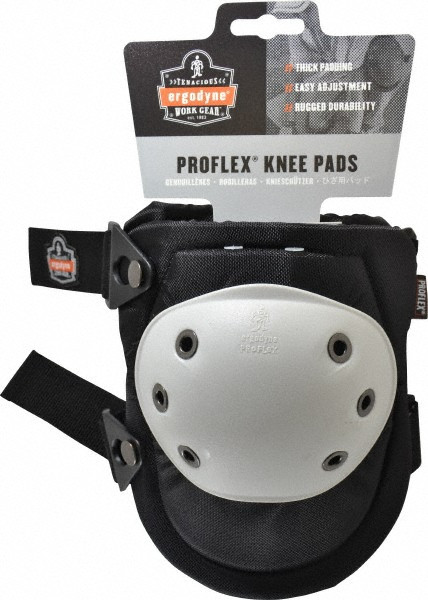
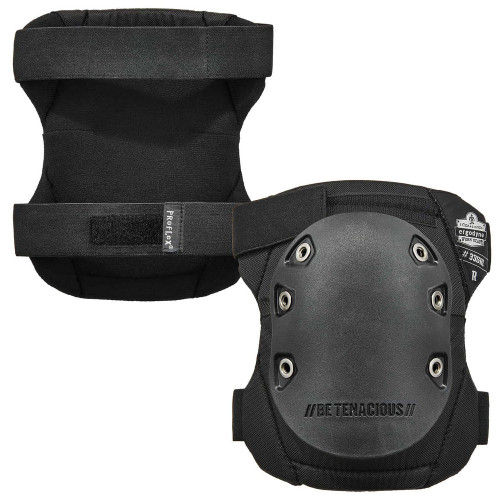
Our knee pad catalog covers the full spectrum of HVAC installation and service applications. Lightweight foam knee pads are ideal for indoor work on smooth concrete or tile floors, providing comfortable cushioning without restricting movement. Gel-filled knee pads distribute pressure more evenly and are preferred for extended kneeling on hard surfaces. Hard-cap knee pads with reinforced polycarbonate shells provide the highest level of protection on rough, abrasive surfaces such as gravel rooftops and metal grating. Selecting the correct knee pad for the specific work surface directly impacts both protection and technician comfort.

Who We Serve

HVAC Installers

Protect knees during extended ductwork installation, equipment rough-ins, and crawlspace work on hard concrete and rough surfaces.

Service Technicians

Reduce knee strain during equipment service calls that require kneeling to access low-mounted equipment, drain pans, and floor-level controls.

Rooftop Installation Crews

Source hard-cap knee pads with abrasion-resistant shells for rooftop equipment installations on gravel and metal decking surfaces.

Technical Sourcing FAQs

Q: What is the difference between foam, gel, and hard-cap knee pads?

A: Foam knee pads use high-density polyurethane foam to absorb impact and provide cushioning. They are lightweight and comfortable for short-duration work on smooth surfaces. Gel knee pads use a fluid gel insert that conforms to the knee shape and distributes pressure more evenly, making them better for extended kneeling. Hard-cap knee pads add a rigid polycarbonate or nylon shell over the foam or gel insert, providing protection against sharp objects, abrasion, and impact on rough surfaces.

Q: How should knee pads be sized and adjusted for a proper fit?

A: Knee pads should be sized to fully cover the kneecap and the area just above and below the knee joint. Straps should be adjusted snugly enough to keep the pad centered on the knee during movement without restricting circulation. A properly fitted knee pad should not slide down the leg during kneeling or walking, and should not create pressure points behind the knee.

Q: How do I clean and maintain knee pads for extended service life?

A: Knee pads should be cleaned regularly with mild soap and water to remove dirt, concrete dust, and debris that can degrade the foam or gel insert over time. Allow them to air dry completely before storage to prevent mold growth inside the foam. Inspect straps and buckles periodically for wear and replace them if they no longer hold securely. Replace knee pads when the foam or gel insert has compressed permanently and no longer provides adequate cushioning.

Need Help Finding a Specific Rating, Size, or Brand?

Contact our commercial procurement team for bulk ordering support, custom specifications, or multi-site facility supply contracts.

Compare