
-
 $22.20
 -
 $23.10
 -
 $53.99
 -
 $23.99
 -
 $1,016.99
 -
 $19.99
 -
 $160.99
 -

International Comfort Products
SKU: HPS-ICP-1071063
International Comfort Products 1071063 Time Delay Relay
$415.99 -
 $19.99
 -
 $23.99
 -
 $36.99
 -
 $59.99
 -
 $43.99
 -
 $79.99
 -
 $76.99
 -
 $95.99
 -
 $325.99
 -
 $38.99
 -
 $52.99
 -
 $46.99
 -
 $54.99
 -
 $62.99
 -
 $64.99
 -
 $74.99
Start & Potential Relays
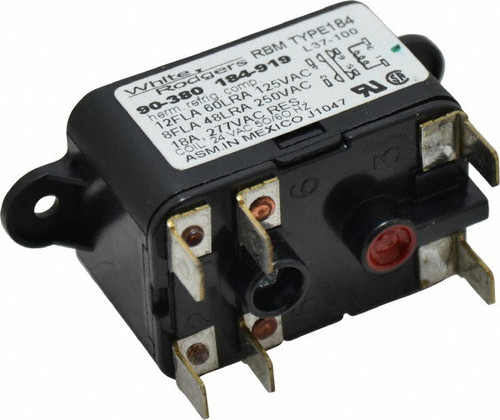
(Showing 24 of 271)Shop start, potential, fan-delay, heater, and control relays for HVAC replacement and service applications. Compare the exact part number, relay function, coil voltage, contact configuration, electrical ratings, timing characteristics where applicable, terminal arrangement, and mounting.
Compatibility Notice: Confirm the relay type, coil voltage, contact configuration, electrical ratings, terminals, mounting, and complete equipment model before ordering. Relays with similar cases can perform different control functions.
Buyer Guide & FAQs
What should I check first when shopping for Start & Potential Relays?
Start with the complete equipment model and exact original part number. Confirm that the listing is the correct component type before comparing relay function, coil voltage, contact arrangement, electrical ratings, timing or potential characteristics where applicable, terminals, and mounting.
Which specifications matter most for Start & Potential Relays?
Compare relay function, coil voltage, contact arrangement, electrical ratings, timing or potential characteristics where applicable, terminals, and mounting. Use only values verified on the original component, equipment documentation, or product listing.
Can I choose Start & Potential Relays from a photo or approximate dimensions?
No. Appearance and approximate size do not confirm electrical function, rating, connector, mounting, revision, or approved equipment application.
Does the relay come by itself, or is the socket, harness, or mounting bracket included?
Not necessarily. A relay may be sold as an individual component, while a socket, harness, bracket, or other accessory may be separate. Check the included-item details and verify the relay type, electrical specifications, terminal/contact configuration, and mounting requirements for the application.
What information should I provide HVACProSales if I cannot identify the right Start & Potential Relays item?
Provide the equipment manufacturer, complete model number, serial number when available, exact number on the old part, component type, and clear photos of the equipment label and existing component.