Free Shipping on Select Items | Order by 3:00 PM ET for Same-Day Handling | Promotions & Seasonal Specials | (866) 330-1709

Vacuum Pumps

(Showing 22 of 22)
Professional HVAC/R Vacuum Pumps | OEM Refrigeration Supply – HVACProSales
PRECISION EVACUATION SYSTEMS

Professional HVAC/R Vacuum Pumps

Source high-performance dual-stage and oil-free vacuum pumps engineered for deep evacuation of residential, commercial, and industrial refrigeration systems. Achieve rapid pull-down to sub-500 micron levels, removing non-condensable gases and moisture to protect system compressor life.

Procurement & Sourcing Notice

We help source commercial-grade HVAC/R vacuum pumps and evacuation accessories from leading tool manufacturers. Brand availability may vary by supplier, stock status, manufacturer policy, and product type. For bulk fleet procurement or specialized deep-vacuum system sourcing, contact our commercial support team.

Explore Sourcing Categories

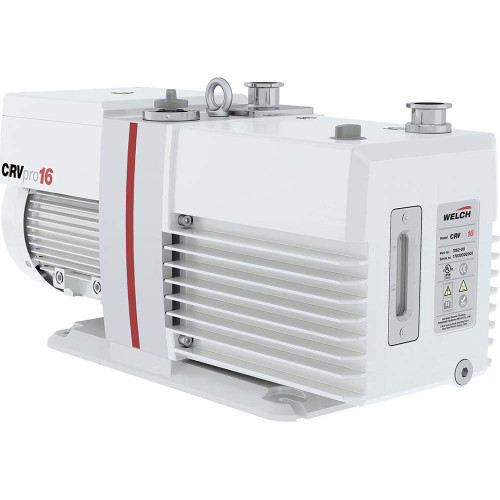
Dual-Stage Vacuum Pumps

The industry standard for deep evacuation. Features two stages in series to achieve a lower ultimate vacuum (typically 15 microns) and faster pull-down.

Browse Products

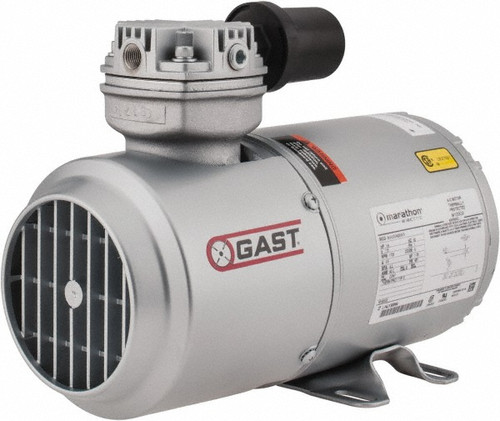
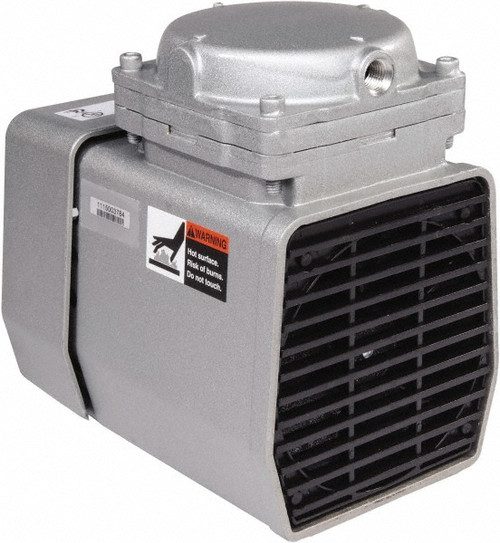
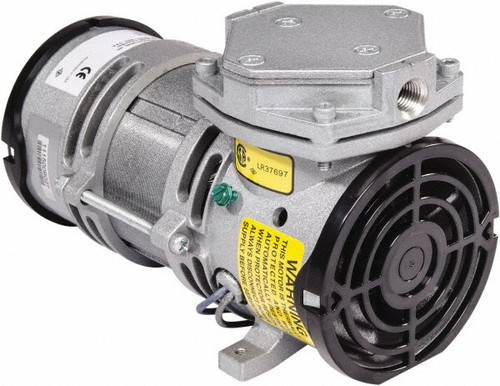
Oil-Free Vacuum Pumps

Maintenance-free, oil-free vacuum technology designed for clean-room applications, recovery cylinder evacuation, and environments where oil contamination is prohibited.

Browse Products

Evacuation Accessories

Heavy-duty large-diameter vacuum hoses, core removal tools, and vacuum manifolds designed to maximize CFM flow and slash evacuation times.

Browse Products

Commercial-Grade Evacuation Technology for HVAC/R Procurement

Evacuation is the most critical step in the commissioning and servicing of any air conditioning or refrigeration system. Sourcing a high-reliability vacuum pump ensures that technicians can thoroughly dehydrate the system, boiling off moisture and removing non-condensable gases (such as air and nitrogen) before charging refrigerant. Moisture left in a system reacts with synthetic POE and mineral oils to form highly destructive hydrofluoric and hydrochloric acids, which degrade motor windings and cause compressor burnout. A dual-stage rotary vane vacuum pump is essential for commercial HVAC/R service, as the second stage acts as a backing pump to compress and exhaust the remaining gas molecules, achieving the deep vacuum required for modern synthetic refrigerant systems.

For B2B procurement managers and service fleet coordinators, selecting the right CFM (Cubic Feet per Minute) rating is key to operational efficiency. While a 5 CFM or 8 CFM pump is ideal for residential and light commercial systems, large commercial chillers and supermarket racks demand 10 CFM to 12 CFM heavy-duty pumps. Sourcing pumps with features like gas ballast valves (which prevent moisture from condensing in the pump oil), internal check valves (to prevent oil back-suck during power loss), and spark-free motors (certified for mildly flammable A2L refrigerants) ensures fleet-wide compliance and long-term durability. Regular oil changes are the single most important factor in maintaining pump performance; always source high-vacuum pump oil alongside equipment.

B2B Sourcing Solutions

We streamline parts procurement for commercial contractors, facility managers, and specialized service fleets.

HVAC Service Technicians

Deploy high-CFM dual-stage vacuum pumps to achieve fast, deep evacuations on residential and commercial systems, meeting strict sub-500 micron standards.

Fleet Operations Managers

Standardize service trucks with reliable, durable vacuum pumps equipped with A2L-compatible spark-free motors to ensure compliance across all service calls.

Industrial Procurement Buyers

Source heavy-duty 10+ CFM industrial vacuum pumps and high-vacuum oil in bulk to support large-scale facility maintenance and plant operations.

Technical Procurement FAQ

Q: Why is a dual-stage vacuum pump preferred over a single-stage pump for HVAC/R service?

A dual-stage vacuum pump utilizes two rotary vane chambers in series. The first stage pulls the vacuum, and the second stage compresses the exhaust gases from the first stage, discharging them to the atmosphere. This design allows dual-stage pumps to achieve a much deeper ultimate vacuum (typically 15 to 25 microns) compared to single-stage pumps (which struggle to pull below 100 microns). Deep vacuums are mandatory to thoroughly boil off moisture in modern POE-oil systems.

Q: What is the purpose of the gas ballast valve on a vacuum pump?

The gas ballast valve introduces a small amount of dry atmospheric air into the second stage of the pump before the exhaust valve opens. This prevents water vapor and other condensable gases from condensing into liquid and mixing with the vacuum pump oil. Using the gas ballast during the initial pull-down keeps the oil clean and preserves the pump's ultimate vacuum capability. Once the bulk moisture is removed, the ballast should be closed to achieve the deepest vacuum.

Q: How often should vacuum pump oil be changed, and why is it critical?

Vacuum pump oil should be changed after every major evacuation, or mid-way through a large commercial pull-down if the system was heavily contaminated. As the pump pulls moisture and acid out of the system, these contaminants mix with the oil, degrading its viscosity and vapor pressure. Contaminated oil prevents the pump from pulling a deep vacuum. Always change the oil while the pump is hot to ensure all contaminants are flushed out.

Need Help Sourcing a Specific Refrigeration Part?

Our dedicated commercial support team is ready to assist with model cross-referencing, volume fleet quotes, and technical parts sourcing.

Related Sourcing Ecosystems

HVACProSales • Doral, Florida • Nationwide Supply & Sourcing

Compare